


13CrMo44 Steel Plate
Products Description What are the Advantages and Disadvantages of 13CrMo44 Steel Compared to Other Alloy Steels? 13CrMo44 steel is a specific type of alloy steel with its own set of characteristics. When comparing it to other alloy steels, a detailed analysis of its properties and performance is...
Description
Products Description
What are the Advantages and Disadvantages of 13CrMo44 Steel Compared to Other Alloy Steels?
13CrMo44 steel is a specific type of alloy steel with its own set of characteristics. When comparing it to other alloy steels, a detailed analysis of its properties and performance is necessary to understand its relative strengths and weaknesses.
One of the notable advantages of 13CrMo44 steel is its excellent heat resistance. It can withstand high temperatures without significant loss of mechanical properties, making it suitable for applications in industries such as power generation and petrochemical processing where components are exposed to extreme heat. This heat resistance is often superior to some other common alloy steels, allowing it to perform reliably in harsh thermal environments.
In terms of mechanical strength, 13CrMo44 steel typically offers good tensile and yield strengths. This makes it capable of withstanding heavy loads and mechanical stresses, which is an advantage in applications where structural integrity is crucial. Compared to certain lower-grade alloy steels, it may provide higher strength-to-weight ratios, contributing to more efficient designs.
The alloy composition of 13CrMo44 steel, which includes chromium and molybdenum, also contributes to its improved corrosion resistance. While it may not be on par with some highly corrosion-resistant alloys, it still offers better protection against corrosion than many standard steels, especially in certain chemical and industrial environments.
However, like any material, 13CrMo44 steel has its drawbacks. One potential disadvantage is its relatively higher cost compared to some common steels. The addition of alloying elements and the specialized manufacturing processes required to produce 13CrMo44 steel can increase its price, which might make it less economically viable for applications where cost is a major constraint.
Another limitation could be its weldability. While it is weldable, it may require more precise welding techniques and procedures compared to some other steels. This can add complexity and cost to the fabrication process, especially for large-scale or complex structures.
In terms of ductility and formability, 13CrMo44 steel might not be as superior as some other alloy steels. This could pose challenges in applications where extensive shaping or forming of the material is necessary.
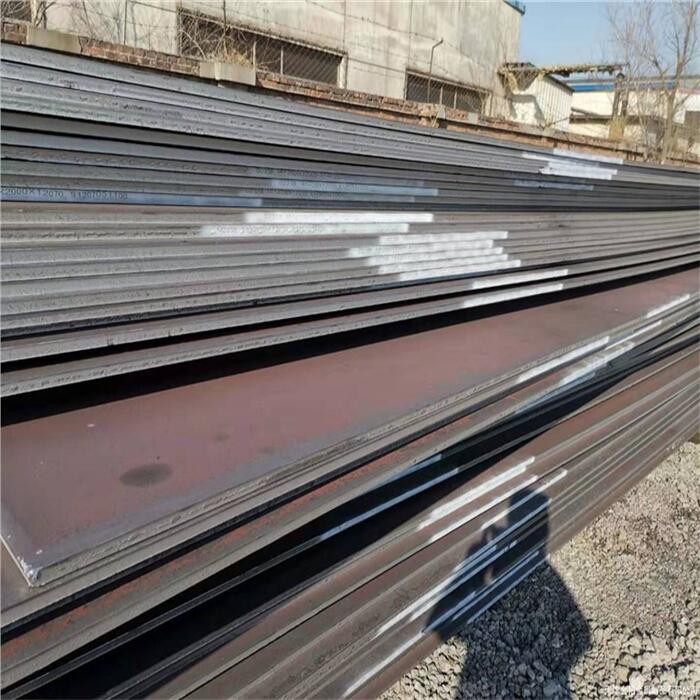
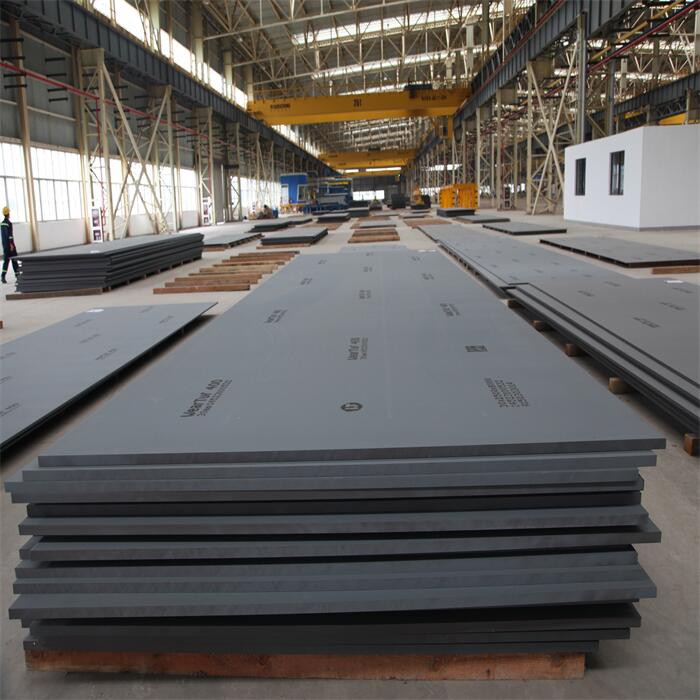
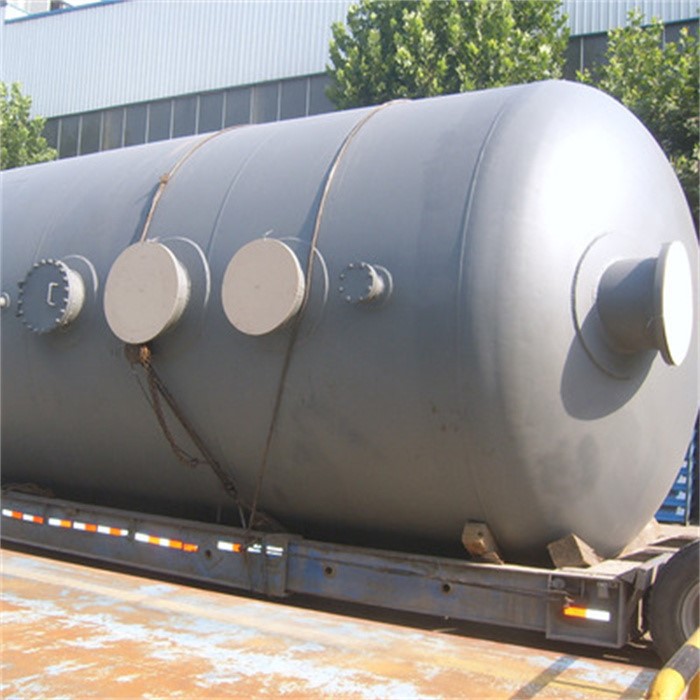

When compared to advanced high-strength alloy steels, 13CrMo44 steel might have slightly lower fatigue resistance. This could be a consideration in applications where components are subject to repetitive loading and unloading cycles.
In terms of availability, 13CrMo44 steel might not be as widely stocked or readily available as some more common alloy steels. This could lead to longer lead times for procurement, potentially causing delays in production schedules.
It's important to note that the assessment of the advantages and disadvantages of 13CrMo44 steel depends on the specific application and the requirements of that particular industry. For some applications, its heat resistance and mechanical strength might outweigh the cost and fabrication challenges. In other cases, where cost or formability are critical factors, alternative alloy steels might be a more suitable choice.
For example, in the aerospace industry, where lightweight and high fatigue resistance are paramount, other advanced alloys might be preferred over 13CrMo44 steel. On the other hand, in the construction of large industrial boilers or pressure vessels where heat resistance and moderate cost are key considerations, 13CrMo44 steel could be a more viable option.
Ultimately, the selection of 13CrMo44 steel or any other alloy steel should be based on a comprehensive analysis of the specific application requirements, including operating conditions, mechanical loads, corrosion exposure, fabrication processes, and budget constraints. This careful evaluation will ensure that the chosen material provides the optimal performance and cost-effectiveness for the intended use.
In conclusion, while 13CrMo44 steel offers several valuable properties, it also has certain limitations. Understanding these in the context of specific applications and comparing them to the characteristics of other alloy steels is essential for making informed material selection decisions in engineering and manufacturing.
Hot Tags: 13crmo44 steel plate, China 13crmo44 steel plate suppliers, factory, S235J0, C51900, N10001, S20200, CuAl10Fe3, S31603


