

Boiler Grade En10028 13crmo4-5 10crmo9-10 Pressure Vessel Steel Plate
Products Description The Boiler Grade EN10028 13CrMo4-5 and 10CrMo9-10 pressure vessel steel plates assume a vital position within multiple industrial domains, particularly in circumstances where the containment and manipulation of fluids and gases under heightened pressure and temperature are...
Description
Products Description
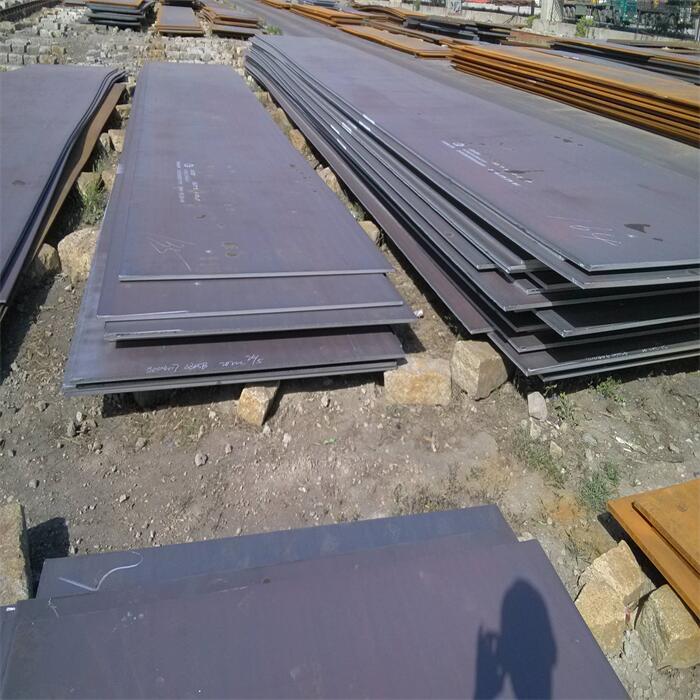
The Boiler Grade EN10028 13CrMo4-5 and 10CrMo9-10 pressure vessel steel plates assume a vital position within multiple industrial domains, particularly in circumstances where the containment and manipulation of fluids and gases under heightened pressure and temperature are crucial. These steel plates are painstakingly engineered to meet the exacting requirements of boilers and pressure vessels, guaranteeing safety, reliability, and durability.
The EN10028 standard lays down precise directives and parameters for the composition, mechanical traits, manufacturing protocols, and quality oversight of these steel plates. It presents a structured framework that ensures consistency and quality across various manufacturers and applications.
Both the 13CrMo4-5 and 10CrMo9-10 grades fall under the category of alloy steels that incorporate specific amounts of chromium (Cr), molybdenum (Mo), and other alloying elements. These additions confer enhanced mechanical capabilities and superior resistance to high temperatures, creep, and oxidation.


The chemical composition of these steel grades is meticulously regulated. Chromium contributes to heightened corrosion resistance and hardening potential, while molybdenum boosts the strength at elevated temperatures. The equilibrium of other elements such as carbon, manganese, silicon, and nickel is equally critical in achieving the desired characteristics.
The manufacturing process of these pressure vessel steel plates encompasses several stages. The raw materials are melted within a furnace and undergo meticulous alloying and refinement to attain the stipulated chemical composition. The molten steel is then either cast into ingots or continuously cast into slabs.
The subsequent operations involve hot rolling and heat treatment to optimize the microstructure and mechanical properties of the plates. The hot rolling procedure refines the grain structure, enhancing the strength and toughness of the material. Heat treatment, including normalizing and tempering, further modifies the microstructure to achieve the desired hardness, ductility, and distribution of residual stress.
The mechanical properties of 13CrMo4-5 and 10CrMo9-10 steel plates are characterized by substantial tensile strength, yield strength, and favorable elongation. These attributes empower the plates to withstand the internal pressure and mechanical loads imposed during the operation of boilers and pressure vessels.
Creep resistance constitutes a key characteristic of these grades, enabling the plates to maintain their dimensional stability and mechanical integrity over an extended period of exposure to high temperatures and sustained loads. Oxidation resistance is also of considerable significance to prevent the degradation of the plate surface in high-temperature environments.
The selection of the appropriate grade of pressure vessel steel plate is contingent upon numerous factors, including the operating conditions of the equipment, the nature of the fluid or gas being contained, the designated pressure and temperature, and the anticipated service life. Engineers and designers conduct a meticulous assessment of these parameters to ensure the safe and efficient operation of the boilers and vessels.
Quality control holds paramount importance throughout the manufacturing process. Non-destructive testing methods such as ultrasonic testing, magnetic particle inspection, and radiographic examination are employed to detect any internal or surface imperfections in the plates. This aids in eliminating substandard plates and ensures the integrity of the final product.
In addition to the manufacturing and quality control aspects, the welding of these steel plates is a critical consideration. Specialized welding procedures and filler materials are chosen to ensure robust and defect-free weld joints that uphold the mechanical and corrosion resistance properties of the base material.
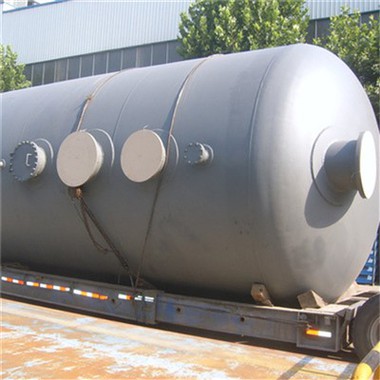
The applications of Boiler Grade EN10028 13CrMo4-5 and 10CrMo9-10 pressure vessel steel plates are wide-ranging. They are utilized in the construction of boilers for power generation, heat exchangers, pressure vessels in the petrochemical industry, nuclear reactors, and a diverse array of other industrial equipment where high-pressure and high-temperature conditions prevail.
The continuous advancement and improvement of these steel grades are driven by the ever-increasing demands of modern industry for more efficient, reliable, and safe equipment. Research efforts focus on enhancing the properties of the steel, optimizing the manufacturing processes, and developing new alloys to address the challenges posed by evolving operating conditions.
In conclusion, the Boiler Grade EN10028 13CrMo4-5 and 10CrMo9-10 pressure vessel steel plates are indispensable materials that form the foundation of critical industrial infrastructure. Their precise engineering, rigorous quality control, and diverse applications make significant contributions to the safe and efficient operation of various processes across multiple industries.
Hot Tags: boiler grade en10028 13crmo4-5 10crmo9-10 pressure vessel steel plate, China boiler grade en10028 13crmo4-5 10crmo9-10 pressure vessel steel plate suppliers, factory, C68800, 1 4845, Copper, 202 Stainless Steel, 2304, F51 Stainless Steel