


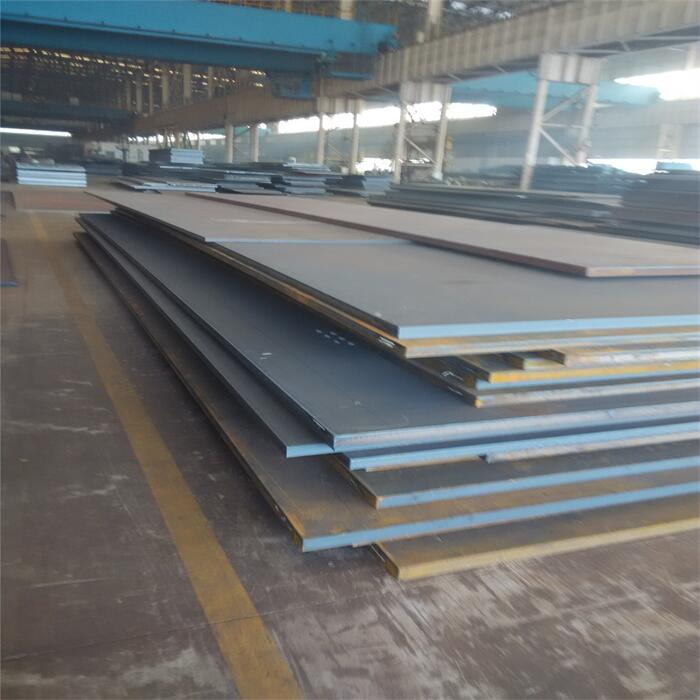
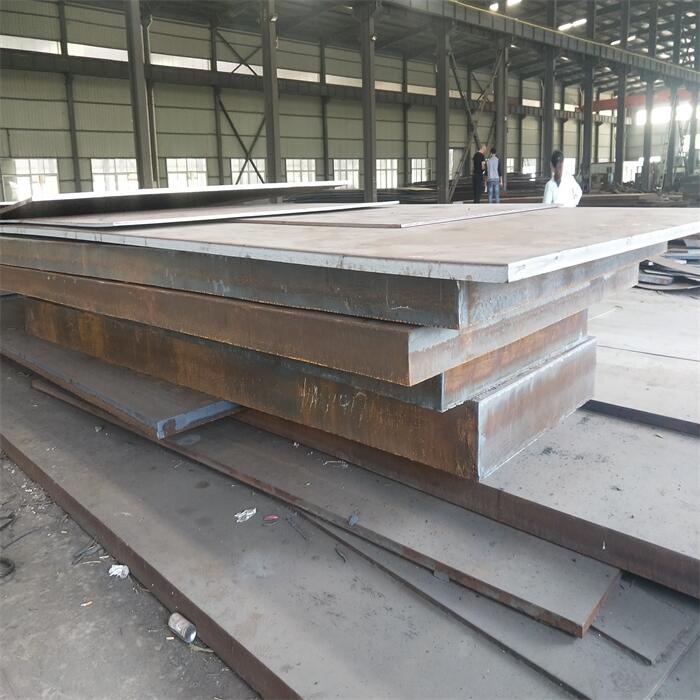

PRESSURE VESSEL STEEL PLATE
Products Description Pressure vessel steel plate is a crucial material in various industries, playing a vital role in ensuring the safety and reliability of pressure vessels that are used to contain and handle substances under high pressure. These steel plates are specifically engineered to...
Description
Products Description
Pressure vessel steel plate is a crucial material in various industries, playing a vital role in ensuring the safety and reliability of pressure vessels that are used to contain and handle substances under high pressure. These steel plates are specifically engineered to withstand the demanding conditions and mechanical stresses associated with pressure containment.
The properties of pressure vessel steel plates are of paramount importance. They need to possess high tensile strength to resist the forces exerted by the internal pressure. Additionally, they should have excellent ductility to accommodate any potential deformation without fracturing. Toughness is another essential characteristic, enabling the steel to absorb energy and resist crack propagation, especially in the event of sudden impact or dynamic loading.
The chemical composition of pressure vessel steel plates is carefully controlled to achieve the desired mechanical properties. Common alloying elements such as manganese, chromium, molybdenum, and nickel are added in precise amounts to enhance strength, hardenability, and corrosion resistance. The low content of impurities like sulfur and phosphorus is crucial to prevent embrittlement and improve weldability.
The manufacturing process of pressure vessel steel plates is highly complex and precise. The steel is typically produced through processes like electric arc furnace melting or basic oxygen furnace smelting, followed by secondary refining to further purify the composition. Hot rolling and controlled cooling are employed to obtain the desired microstructure, which can consist of ferrite, pearlite, bainite, or martensite, depending on the specific requirements.
Quality control is an integral part of the production of pressure vessel steel plates. Stringent testing and inspection procedures are carried out to ensure compliance with industry standards and specifications. Tensile tests, impact tests, hardness tests, and non-destructive testing methods such as ultrasonic testing and magnetic particle inspection are used to detect any defects or variations in the material's properties.


Pressure vessel steel plates are classified based on their mechanical properties, chemical composition, and heat treatment. Common grades include ASTM A516, A537, and EN 10028. Each grade is designed to meet specific pressure and temperature requirements for different applications.
In the oil and gas industry, pressure vessel steel plates are used in the construction of storage tanks, pipelines, and refinery equipment. They must withstand the high pressures and corrosive environments associated with the transportation and processing of hydrocarbons. In the chemical industry, they are employed in reactors, vessels, and heat exchangers to handle a wide range of aggressive chemicals.
The nuclear industry relies on pressure vessel steel plates for the containment of radioactive materials and the operation of nuclear reactors. These plates need to meet extremely strict safety standards and withstand the unique conditions of a nuclear environment.
The selection of the appropriate pressure vessel steel plate depends on several factors, including the operating pressure, temperature, medium being contained, and the design life of the vessel. Engineering calculations and design considerations are crucial to ensure the integrity and safety of the pressure vessel throughout its service life.
Advancements in materials science and manufacturing technologies are constantly driving improvements in pressure vessel steel plates. New alloys and processing techniques are being developed to enhance the performance and durability of these materials, while also reducing costs and improving production efficiency.
In conclusion, pressure vessel steel plates are a critical component in numerous industries where the safe containment of substances under pressure is of utmost importance. Their properties, manufacturing processes, and quality control measures are all designed to ensure the reliable and long-term operation of pressure vessels, protecting both personnel and the environment. Continued research and innovation in this field will undoubtedly lead to even more advanced and reliable pressure vessel steel plates for the future.
Hot Tags: pressure vessel steel plate, China pressure vessel steel plate suppliers, factory, Aluminum Block, S32750, Wear resistant Steel, 440C Stainless Steel, 30NiCrMo16-6, S30100


