

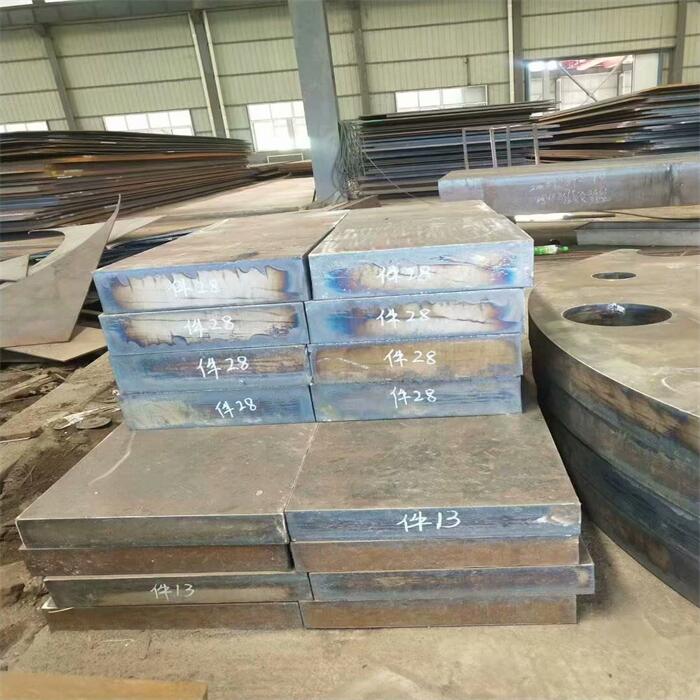

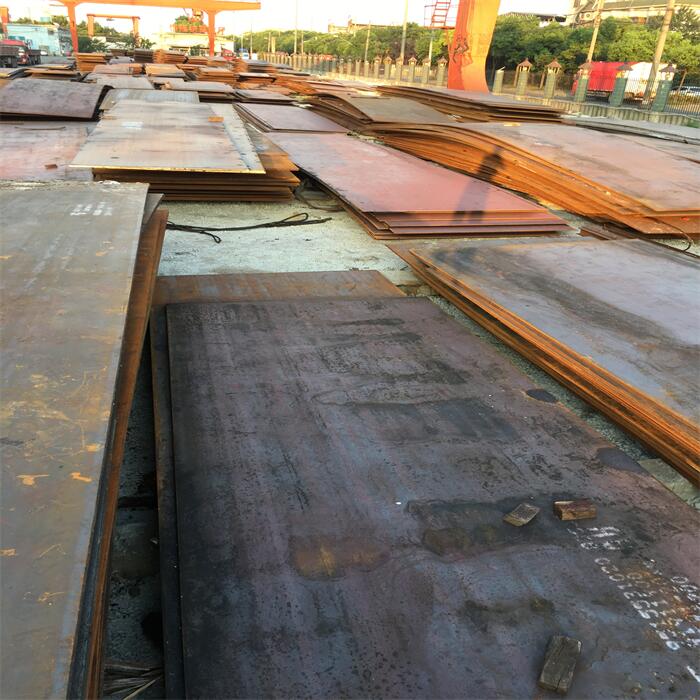


Steel With High Tensile Strength
Products Description Steel, a ubiquitous material in our modern world, plays a crucial role in numerous industries and applications. When we talk about steel with high tensile strength, we are referring to a specific type of steel that possesses exceptional mechanical properties, enabling it to...
Description
Products Description
Steel, a ubiquitous material in our modern world, plays a crucial role in numerous industries and applications. When we talk about steel with high tensile strength, we are referring to a specific type of steel that possesses exceptional mechanical properties, enabling it to withstand significant forces and stresses without undergoing excessive deformation or failure.
High tensile strength steel is characterized by its ability to resist stretching and pulling forces. This property makes it highly valuable in various fields where structural integrity and durability are of paramount importance. One of the key areas where this type of steel finds extensive use is in the construction industry. Buildings, bridges, and other large-scale structures rely on the strength of high tensile steel to support heavy loads and endure harsh environmental conditions.
In the automotive sector, high tensile strength steel is employed to enhance the safety and performance of vehicles. It helps to reduce the weight of the car body while maintaining or even improving its crashworthiness. This not only leads to better fuel efficiency but also contributes to overall vehicle safety.
The manufacturing of machinery and equipment also benefits from the use of high tensile strength steel. Components such as gears, shafts, and bearings require materials that can withstand the high rotational speeds and forces involved, ensuring reliable and long-lasting operation.
The superior tensile strength of this steel is achieved through various metallurgical processes and alloying elements. These treatments modify the microstructure of the steel, resulting in enhanced mechanical properties. Common alloying elements include manganese, chromium, and nickel, which contribute to increased strength and hardness.
Advanced manufacturing techniques, such as heat treatment and cold working, are employed to further optimize the properties of high tensile strength steel. Heat treatment involves controlled heating and cooling of the steel to obtain the desired microstructure and mechanical characteristics. Cold working, on the other hand, involves plastic deformation of the steel at room temperature, which also leads to an increase in strength.


The quality and performance of high tensile strength steel are subject to strict testing and standards. Tensile tests are conducted to determine the ultimate tensile strength, yield strength, and elongation of the material. These parameters provide crucial information for engineers and designers to ensure the safe and efficient use of the steel in different applications.
Despite its numerous advantages, the use of high tensile strength steel also presents some challenges. Its higher cost compared to conventional steels can be a limiting factor in certain projects. Additionally, the fabrication and welding of this type of steel require specialized techniques and equipment to maintain its integrity and mechanical properties.
In conclusion, steel with high tensile strength is an indispensable material in today's engineering and manufacturing landscape. Its unique properties make it the material of choice for applications where strength, reliability, and performance are critical. Continued research and development in this field are likely to lead to even more advanced and cost-effective high tensile strength steels, further driving innovation and progress in various industries.
Hot Tags: steel with high tensile strength, China steel with high tensile strength suppliers, factory, S40500, C1020, S355K2W, 1 4558, CR300LA, S32100


