

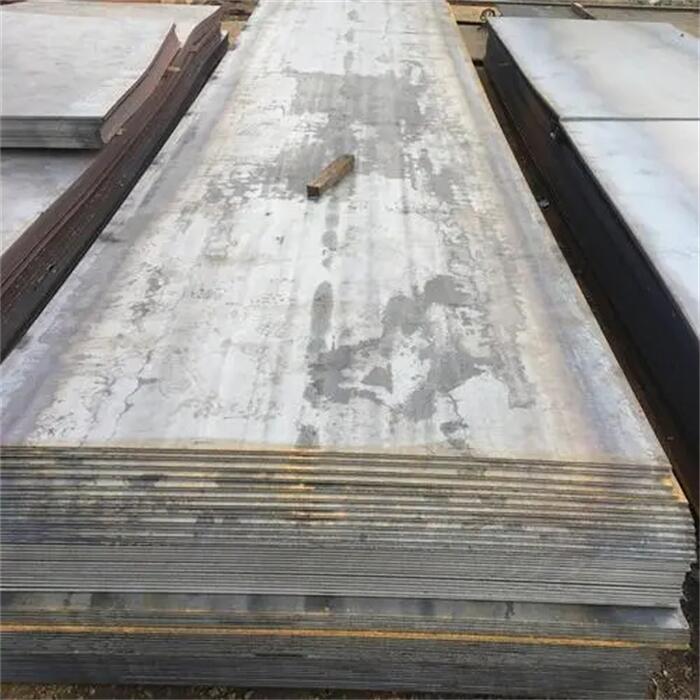


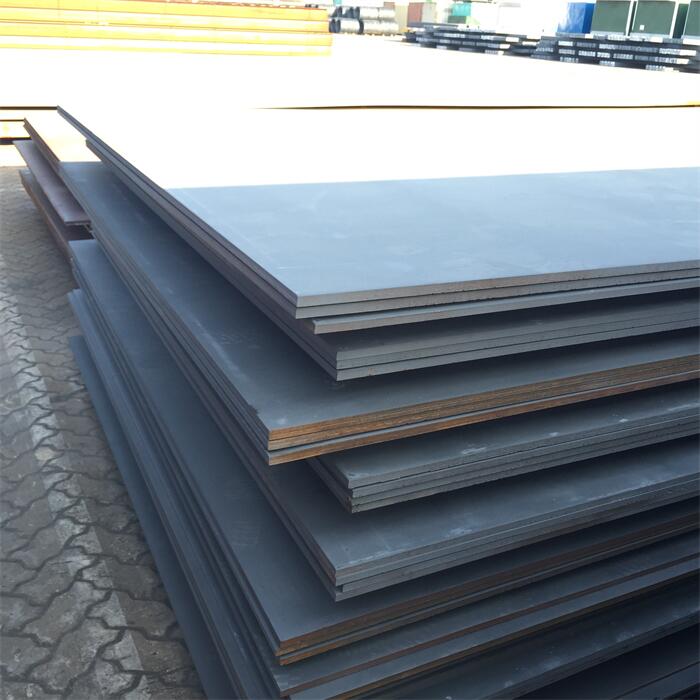
A36 Steel Alloy
Products Description A36 steel alloy is one of the most commonly used structural steels in a wide range of industries. Understanding its chemical composition and mechanical properties is crucial for engineers and designers to ensure the safety and performance of structures and components. The...
Description
Products Description
A36 steel alloy is one of the most commonly used structural steels in a wide range of industries. Understanding its chemical composition and mechanical properties is crucial for engineers and designers to ensure the safety and performance of structures and components.
The chemical composition of A36 steel alloy typically includes the following elements:
Carbon (C): The carbon content in A36 steel ranges from approximately 0% to 0.25%. Carbon is an important element that contributes to the hardness and strength of the steel.
Manganese (Mn): Manganese is present in A36 steel at a level of around 0.80% to 1.20%. It helps improve the hardenability and toughness of the steel.
Phosphorus (P): The phosphorus content is usually limited to a maximum of 0.04%. Phosphorus can have a negative impact on the ductility and weldability of the steel if present in excessive amounts.
Sulfur (S): Sulfur is also controlled to a maximum of 0.05%. High sulfur content can lead to cracking and reduced mechanical properties.
Silicon (Si): Silicon is present in A36 steel at approximately 0.15% to 0.30%. It plays a role in enhancing the strength and deoxidation of the steel.
Iron (Fe): The majority of the composition is iron, which serves as the base element.
The mechanical properties of A36 steel alloy are as follows:
Tensile Strength: The tensile strength of A36 steel typically ranges from 400 to 550 MPa (58,000 to 79,770 psi). This indicates the ability of the steel to resist stretching forces without breaking.
Yield Strength: The yield strength of A36 steel is around 250 MPa (36,260 psi), representing the stress at which the steel begins to deform plastically.
Elongation: A36 steel usually exhibits an elongation of approximately 20% to 23%. Elongation measures the ability of the material to stretch before fracture, indicating its ductility.
Hardness: The hardness of A36 steel can vary depending on the heat treatment and processing, but it is generally in the range of 119 to 159 HB (Brinell hardness).
Impact Resistance: A36 steel has decent impact resistance, allowing it to withstand sudden and dynamic loads without failure.
Fatigue Resistance: This property is important for components subjected to cyclic loading. A36 steel demonstrates satisfactory fatigue resistance within its intended applications.




The combination of its chemical composition and mechanical properties makes A36 steel alloy suitable for a variety of structural applications such as buildings, bridges, and machinery components. Its relatively low cost, good weldability, and acceptable mechanical performance make it a popular choice in the construction and manufacturing sectors.
However, it's important to note that the specific properties of A36 steel can be influenced by factors such as manufacturing processes, heat treatment, and the presence of impurities. To ensure the desired performance and quality, strict quality control measures should be implemented during production and fabrication.
In conclusion, a comprehensive understanding of the chemical composition and mechanical properties of A36 steel alloy is essential for engineers and professionals to make informed decisions regarding its selection and application in various engineering and construction projects. This knowledge helps to optimize the design, ensure structural integrity, and enhance the overall performance and safety of the structures and components made from this widely used steel alloy.
Hot Tags: a36 steel alloy, China a36 steel alloy suppliers, factory, C61000, C3712, S43000, S31635, 1 4401, S355JR


