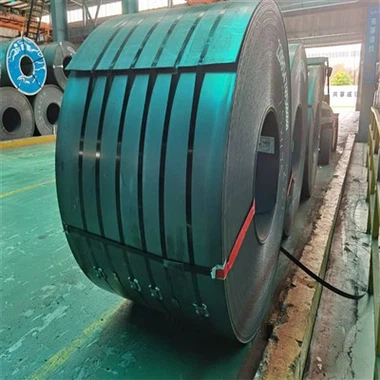
Asme A36
Products Description ASME A36 is a widely used structural steel specification that plays a crucial role in various industries. This article aims to provide an extensive and in-depth examination of ASME A36, covering its composition, mechanical properties, manufacturing processes, applications,...
Description
Products Description
ASME A36 is a widely used structural steel specification that plays a crucial role in various industries. This article aims to provide an extensive and in-depth examination of ASME A36, covering its composition, mechanical properties, manufacturing processes, applications, and associated standards and codes.
Composition of ASME A36
The chemical composition of ASME A36 steel is carefully defined to ensure its specific properties and performance. It typically contains carbon (up to 0.25%), manganese (up to 1.03%), phosphorus (up to 0.04%), sulfur (up to 0.05%), silicon (up to 0.40%), and small amounts of other elements. The controlled levels of these elements contribute to the steel's overall characteristics.
The relatively low carbon content in ASME A36 provides good weldability and ductility. Manganese enhances the strength and hardenability of the steel. The limited amounts of phosphorus and sulfur help prevent brittleness and improve the steel's formability. Silicon contributes to the steel's strength and heat resistance.
Mechanical Properties of ASME A36
ASME A36 steel possesses specific mechanical properties that make it suitable for a wide range of structural applications. The minimum yield strength is typically 250 MPa (36,000 psi), and the minimum tensile strength is around 400 to 550 MPa (58,000 to 79,800 psi). The elongation percentage is usually 20% or more, indicating its ductility.
The combination of these mechanical properties allows ASME A36 to withstand the loads and stresses encountered in construction, manufacturing, and other industries. Its ductility ensures that the steel can deform to some extent without fracturing, providing a margin of safety in structural designs.
Manufacturing Processes for ASME A36
The manufacturing of ASME A36 steel involves several key processes. The initial step often involves melting the raw materials, including iron ore, coke, and alloying elements, in a furnace at high temperatures. The molten steel is then refined and cast into ingots or continuously cast into slabs, blooms, or billets.
Subsequent processing includes hot rolling, cold rolling, forging, or extrusion to shape the steel into the desired forms such as plates, sheets, beams, and columns. Heat treatment may also be employed to optimize the mechanical properties of the steel based on specific requirements.
Applications of ASME A36
ASME A36 steel finds extensive use in numerous fields due to its favorable properties and affordability. In the construction industry, it is commonly utilized for the fabrication of buildings, bridges, and other structural components. It is used for beams, girders, columns, and support structures where moderate strength and good formability are essential.
In the manufacturing sector, ASME A36 is employed in the production of machinery frames, brackets, and various equipment components. It is also used in the transportation industry for vehicle frames and chassis parts.
The agricultural and mining industries make use of ASME A36 in the construction of equipment and structures that need to withstand harsh operating conditions.


Standards and Codes Associated with ASME A36
Compliance with relevant standards and codes is crucial when using ASME A36 steel. The American Society of Mechanical Engineers (ASME) provides detailed specifications and guidelines for the use of this steel in various applications. Other industry standards and codes, such as those from the American Institute of Steel Construction (AISC), also provide additional requirements and recommendations for the design and construction with ASME A36.
These standards ensure that the steel is used appropriately, and the structures and components fabricated from it meet the necessary safety and performance criteria.
Conclusion
ASME A36 is a versatile and widely adopted structural steel with well-defined composition, mechanical properties, and manufacturing processes. Its applications span across multiple industries, providing reliable and cost-effective solutions for a variety of structural needs. Understanding the details of ASME A36 is essential for engineers, designers, and fabricators to make informed decisions and ensure the safe and efficient use of this steel in their projects.
It is important to note that the specific properties and performance of ASME A36 can vary depending on factors such as the manufacturing process, heat treatment, and the final form and size of the steel product. Ongoing research and development in the field of materials science are likely to further enhance the capabilities and applications of ASME A36 in the future.
Hot Tags: asme a36, China asme a36 suppliers, factory, S420N, HARDOX500, 301 Stainless Steel, HC380LA, DC01, 440B Stainless Steel