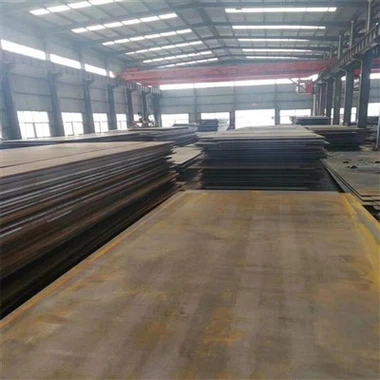
Hot-Rolled BV Steel Plate
Products Description The proper maintenance of hot-rolled BV steel plate is of great significance to ensure its performance, longevity, and safety in various applications. This type of steel plate is widely used in numerous industries due to its excellent mechanical properties and durability....
Description
Products Description
The proper maintenance of hot-rolled BV steel plate is of great significance to ensure its performance, longevity, and safety in various applications. This type of steel plate is widely used in numerous industries due to its excellent mechanical properties and durability. However, to maintain its quality and functionality over time, specific maintenance measures need to be implemented.
Regular inspection is a fundamental aspect of maintenance. This should be carried out at scheduled intervals, depending on the usage environment and intensity of the steel plate. Visual inspections should focus on the surface of the plate, looking for signs of corrosion, such as rust spots, pitting, or scaling. Also, check for any cracks, deformations, or damages that might have occurred due to mechanical stress or external impacts. Specialized tools like ultrasonic flaw detectors or magnetic particle inspection devices can be employed to detect internal flaws that may not be visible to the naked eye.
The specific steps for maintaining hot-rolled BV steel plate are as follows:
Step 1: Surface Cleaning
The accumulation of dirt, debris, and moisture on the surface of the steel plate can accelerate the corrosion process. Start by using a dry brush or compressed air to remove loose dirt and debris. Then, for more stubborn dirt and contaminants, apply a mild detergent or degreaser and scrub the surface with a soft brush or non-abrasive cloth. Rinse thoroughly with clean water and dry the surface completely using a clean, dry cloth or air blower.
Step 2: Rust Removal
If rust is present, use a wire brush or sandpaper to gently remove the rust until the bare metal is exposed. For heavy rust, consider using a rust remover chemical or an abrasive blasting method. After rust removal, clean the area again to remove any rust particles or debris.
Step 3: Coating Application
Choose an appropriate coating such as epoxy, polyurethane, or zinc-rich primer based on the operating conditions and environment. Apply the coating evenly using a brush, roller, or spray gun, following the manufacturer's instructions. Ensure complete coverage, especially in corners and edges. Allow the coating to dry completely as per the recommended drying time.
Step 4: Regular Maintenance Checks
Conduct regular checks to monitor the condition of the coating. Look for any signs of damage, peeling, or cracking. If any issues are detected, promptly repair or reapply the coating. Also, check for any new signs of corrosion or damage to the steel plate itself and take appropriate action.
Step 5: Storage and Handling
When storing the steel plate, ensure it is placed on a dry, level surface and protected from direct sunlight, rain, and moisture. Use wooden pallets or racks to prevent contact with the ground. During handling, use proper lifting equipment and avoid dragging or dropping the plate to prevent damage.
Controlling the storage and operating environment is also important. If the steel plate is stored for an extended period, it should be kept in a dry, well-ventilated area to minimize the exposure to moisture and corrosive substances. In operational settings, measures should be taken to reduce the presence of corrosive chemicals or excessive humidity.
In cases where corrosion or damage is detected, prompt repair is essential. Minor corrosion can be treated by removing the rust and applying a rust converter and a new coating. For more severe damage, welding or replacement of the affected area may be required. Such repairs should be carried out by qualified professionals using appropriate techniques and materials to ensure the structural integrity of the steel plate.
It is also advisable to keep detailed maintenance records. These records should include information about the inspection dates, findings, maintenance activities performed, and any repairs or replacements made. This documentation can help track the history of the steel plate's condition, predict potential problems, and plan future maintenance schedules.
Furthermore, providing training to the personnel involved in handling and maintaining the steel plate is crucial. They should be familiar with the correct maintenance procedures, safety precautions, and the importance of timely detection and response to any issues.
In conclusion, the maintenance of hot-rolled BV steel plate requires a systematic and proactive approach. By adhering to regular inspection, cleaning, coating application, environmental control, prompt repair, record-keeping, and staff training, the performance and durability of the steel plate can be significantly enhanced, ensuring its reliable service in various industrial applications.


Hot Tags: hot-rolled bv steel plate, China hot-rolled bv steel plate suppliers, factory, SK1 Steel, SUS303, 654SMo, 309 Stainless Steel, 2205, 37CrS4