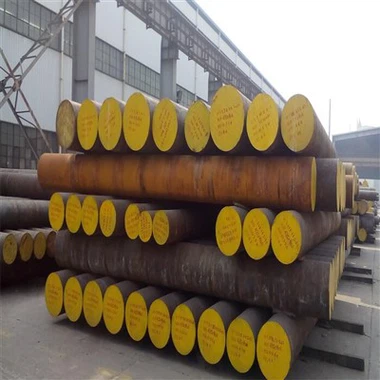
JIS Standard General Strength NK Marine Steel Plate Grade A B D E For Shipyard
Products Description JIS Standard General Strength NK Marine Steel Plate Grade A B D E For Shipyard Execution standard: It adheres to the standards set by the Japanese Industrial Standards (JIS). Mechanical properties: It possesses certain levels of yield strength, tensile strength, elongation,...
Description
Products Description
JIS Standard General Strength NK Marine Steel Plate Grade A B D E For Shipyard
Execution standard: It adheres to the standards set by the Japanese Industrial Standards (JIS).
Mechanical properties: It possesses certain levels of yield strength, tensile strength, elongation, and hardness to ensure the structural integrity and durability of marine vessels.
Uses: These steel plates are commonly used in the construction of ships, including the fabrication of hulls, decks, bulkheads, and other structural components, due to their suitable mechanical properties and corrosion resistance in marine environments.
The selection of an appropriate low alloy structural steel based on the yield strength and tensile strength of the material involves several key considerations. Firstly, it is essential to determine the specific requirements of the application. If the component or structure is subjected to high static loads, a steel with a higher yield strength and tensile strength may be needed to prevent plastic deformation and failure.
Secondly, the nature of the loading conditions should be analyzed. Dynamic or cyclic loading scenarios may demand steels with better fatigue resistance, which can often be associated with specific combinations of strength properties.
The operating environment is also a crucial factor. In corrosive or high-temperature environments, steels with added alloying elements for enhanced resistance to these conditions may be preferred.
Furthermore, cost considerations come into play. Higher strength steels may be more expensive, so a balance must be struck between performance and economic feasibility.
Finally, manufacturing processes and joining methods should be taken into account. Some steels may be more suitable for welding or machining, depending on the fabrication requirements of the final product.
By carefully evaluating these aspects and comparing the available low alloy structural steels' mechanical properties with the project's demands, an optimal choice can be made to ensure the safety and functionality of the structure or component.
The ratio of yield strength to tensile strength in low alloy structural steel has several significant effects on its performance:
1. Ductility and Formability: A lower ratio typically indicates higher ductility and formability. This means the steel can undergo more plastic deformation before fracture, making it suitable for applications where shaping or forming is required.
2. Resistance to Plastic Deformation: A higher ratio implies greater resistance to plastic deformation. This can be beneficial in situations where components need to maintain their shape and dimensions under load without significant yielding.
3. Fatigue Resistance: A more balanced ratio (neither too high nor too low) often contributes to better fatigue resistance. This is important in structures or components subjected to cyclic loading.
4. Toughness: Generally, a lower ratio is associated with improved toughness, as the material can absorb more energy before failure.
5. Safety Margin: The ratio affects the safety margin during design. A higher ratio provides a smaller margin between the yield and ultimate strength, which might require more conservative design approaches.
6. Weldability: In some cases, a certain ratio range can influence the weldability of the steel. Extreme ratios might pose challenges during welding processes.
In summary, the yield-to-tensile strength ratio is a crucial parameter that influences various mechanical properties and performance characteristics of low alloy structural steels, guiding their selection for specific engineering applications.
The performance of low alloy structural steel is also influenced by several factors, including:
1. Chemical composition: The types and amounts of alloying elements added, such as manganese, chromium, nickel, molybdenum, and vanadium, can significantly affect the steel's properties like strength, hardness, toughness, and corrosion resistance.
2. Heat treatment: Processes like annealing, quenching, and tempering can modify the microstructure of the steel, thereby altering its mechanical properties, hardness, and ductility.
3. Manufacturing process: The method of steel production, including casting, forging, or rolling, can impact the grain size and orientation, which in turn affects the steel's performance.
4. Grain size: Fine-grained steels tend to have better strength and toughness compared to coarse-grained ones.
5. Cooling rate: During solidification or heat treatment, the rate of cooling can influence the formation of different microstructures and, consequently, the steel's properties.
6. Impurities and inclusions: The presence of non-metallic inclusions or impurities can reduce the strength and toughness of the steel.
7. Working conditions: The environment in which the steel is used, such as temperature, pressure, corrosive media, and mechanical stress, can affect its performance and durability over time.
8. Aging: Some alloys may undergo changes in properties over time due to aging processes.
9. Welding and joining methods: Improper welding or joining techniques can introduce defects and weaken the structure, affecting the overall performance of the steel component.
When manufacturing low alloy structural steel, the addition amount of chemical elements is controlled through the following methods:
1. Precise raw material selection: Carefully select the base materials and alloying additives to ensure their purity and composition are within the desired range.
2. Sophisticated alloying processes: Use advanced alloying techniques and equipment to accurately measure and add the required alloying elements at specific stages of the steelmaking process.
3. Chemical analysis and monitoring: Regularly conduct chemical analysis of the molten steel during the manufacturing process to determine the actual content of each element. Based on the analysis results, adjustments can be made in real-time to control the addition amounts.
4. Computerized control systems: Implement computerized control systems that can calculate and regulate the addition of alloying elements based on preset formulas and process parameters, ensuring accuracy and consistency.
5. Quality control and standards: Adhere to strict quality control standards and procedures to ensure that the final composition of the steel meets the specified requirements for the low alloy structural steel.
6. Expertise and experience: Rely on the knowledge and experience of metallurgists and engineers who understand the effects of different element additions and can make informed decisions to optimize the composition.
To enhance the corrosion resistance of low alloy structural steel, the following methods can be employed:
1. Alloying additions: Incorporate specific alloying elements such as chromium (Cr), nickel (Ni), molybdenum (Mo), and copper (Cu) in appropriate amounts. These elements can form protective oxide layers on the steel surface, reducing the rate of corrosion.
2. Surface treatment: Apply surface coatings like paints, galvanization, or electroplating. These coatings act as physical barriers, preventing direct contact between the steel and the corrosive environment.
3. Passivation treatment: Use chemical or electrochemical passivation processes to create a thin, inert oxide layer on the steel surface, enhancing its corrosion resistance.
4. Control of microstructure: Optimize the microstructure of the steel through heat treatment or controlled cooling. Fine-grained microstructures often exhibit better corrosion resistance.
5. Cathodic protection: Connect the steel structure to a more reactive metal (sacrificial anode) to prevent corrosion of the steel by providing an alternative path for the corrosion current.
6. Corrosion inhibitors: Add corrosion inhibitors to the environment in which the steel is used. These inhibitors can slow down the corrosion process.
7. Regular maintenance and cleaning: Remove contaminants and corrosive substances from the steel surface promptly to prevent prolonged exposure and subsequent corrosion.
8. Design considerations: Ensure proper design of the structure to minimize crevices, stagnant areas, and areas prone to accumulation of moisture or corrosive substances.


Grade and Chemical Composition (%)
|
Grade |
C%≤ |
Mn % |
Si % |
p % ≤ |
S % ≤ |
Al % |
Nb % |
V % |
|
A |
0.22 |
≥ 2.5C |
0.10~0.35 |
0.04 |
0.40 |
- |
- |
- |
|
B |
0.21 |
0.60~1.00 |
0.10~0.35 |
0.04 |
0.40 |
- |
- |
- |
|
D |
0.21 |
0.60~1.00 |
0.10~0.35 |
0.04 |
0.04 |
≥0.015 |
- |
- |
|
E |
0.18 |
0.70~1.20 |
0.10~0.35 |
0.04 |
0.04 |
≥0.015 |
- |
Hot Tags: jis standard general strength nk marine steel plate grade a b d e for shipyard, China jis standard general strength nk marine steel plate grade a b d e for shipyard suppliers, factory, S355JR, S41600, Aluminum Sheet, Aluminum Rod, 444 Stainless Steel, CuAl9Mn2