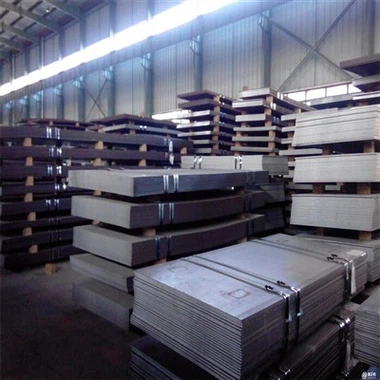
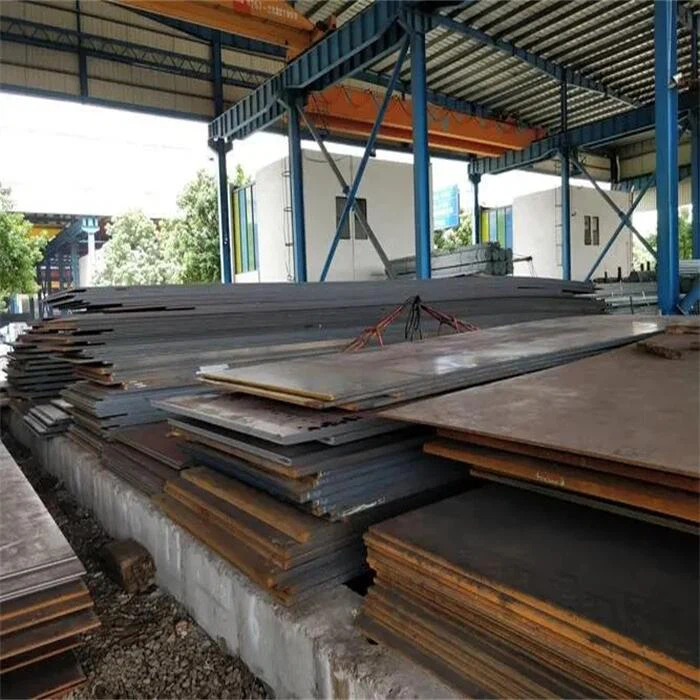
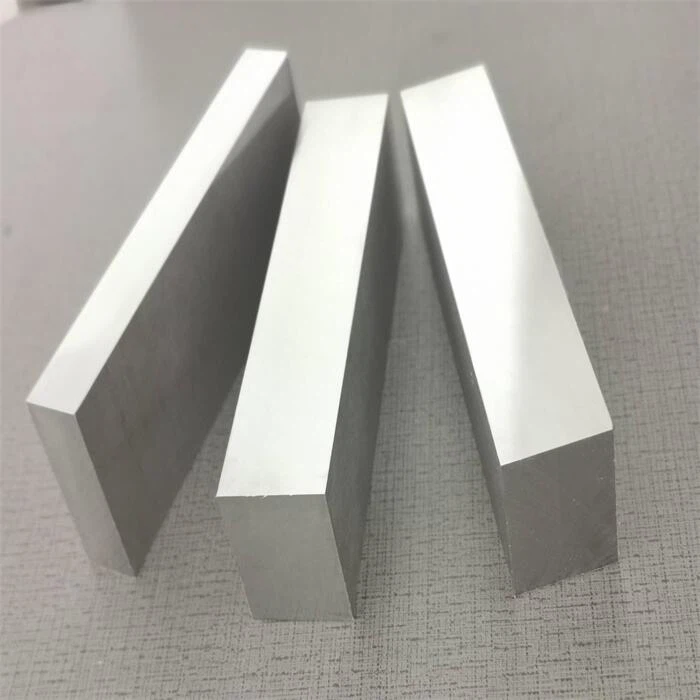
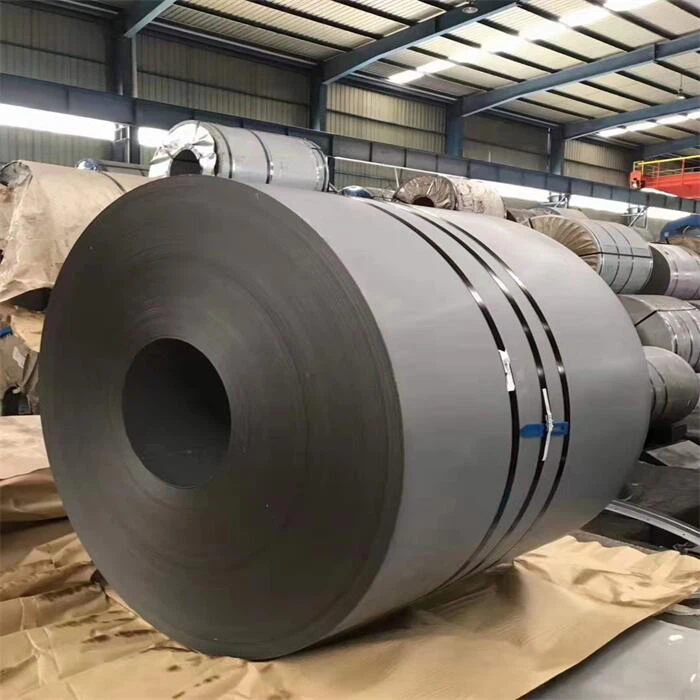
Lr/Ah36 Steel Plate
Products Description How to Optimize the Corrosion Resistance of Lr/Ah36 Steel by Adjusting the Content of Copper Element Introduction: The corrosion resistance of Lr/Ah36 steel is of significant importance in various industrial applications. One effective approach to enhancing this property is...
Description
Products Description
How to Optimize the Corrosion Resistance of Lr/Ah36 Steel by Adjusting the Content of Copper Element
Introduction:
The corrosion resistance of Lr/Ah36 steel is of significant importance in various industrial applications. One effective approach to enhancing this property is by manipulating the content of copper element. This article aims to explore in detail how this can be achieved.
Understanding the Corrosion Mechanism:
Before delving into the optimization through copper content adjustment, it is essential to have a clear understanding of the corrosion mechanisms that Lr/Ah36 steel is prone to. Corrosion typically occurs due to electrochemical reactions on the steel surface when exposed to corrosive environments. Knowledge of these processes helps in formulating effective strategies for improvement.
The Role of Copper in Corrosion Resistance:
Copper plays a crucial role in improving the corrosion resistance of Lr/Ah36 steel. It can form protective layers on the surface, modify the microstructure, and influence the electrochemical behavior of the steel. However, the effectiveness depends on its concentration within the alloy.
Determining the Optimal Copper Content Range:
Extensive research and experimentation are necessary to establish the optimal range of copper content for achieving the best corrosion resistance. This range is typically identified by subjecting samples with varying copper concentrations to simulated corrosive conditions and evaluating their performance.
Low Copper Content Scenarios:
When the copper content is relatively low, its impact on corrosion resistance might be limited. The protective layers formed may not be sufficient to provide effective shielding against corrosive agents. However, even at low concentrations, copper can still have some beneficial effects by interacting with other alloying elements or influencing the microstructure.
Moderate Copper Content:
A moderate copper content often leads to a notable improvement in corrosion resistance. At this level, the formation of stable and adherent protective films is more likely. These films act as barriers, reducing the rate of corrosive attack. Additionally, copper's interaction with the microstructure of the steel becomes more pronounced, resulting in enhanced electrochemical stability.
|
Steel Grade |
C |
Si |
Mn |
P |
S |
Als |
|
A |
≤0.21 |
≤0.50 |
≥2.5c |
≤0.035 |
≤0.035 |
|
|
B |
≤0.21 |
≤0.35 |
0.8~1.2 |
≤0.035 |
≤0.035 |
|
|
D |
≤0.21 |
≤0.35 |
0.6~1.2 |
≤0.035 |
≤0.035 |
≥0.015 |
|
E |
≤0.18 |
≤0.35 |
0.7~1.2 |
≤0.035 |
≤0.035 |
≥0.015 |
|
AH32 |
≤0.18 |
≤0.50 |
0.9~1.6 |
≤0.035 |
≤0.035 |
≥0.015 |
|
DH32 |
≤0.18 |
≤0.50 |
0.9~1.6 |
≤0.035 |
≤0.035 |
≥0.015 |
|
EH32 |
≤0.18 |
≤0.50 |
0.9~1.6 |
≤0.035 |
≤0.035 |
≥0.015 |
|
FH32 |
≤0.18 |
≤0.50 |
0.9~1.6 |
≤0.035 |
≤0.035 |
≥0.015 |
|
AH36 |
≤0.18 |
≤0.50 |
0.9~1.6 |
≤0.035 |
≤0.035 |
≥0.015 |
|
DH36 |
≤0.18 |
≤0.50 |
0.9~1.6 |
≤0.035 |
≤0.035 |
≥0.015 |
|
EH36 |
≤0.18 |
≤0.50 |
0.9~1.6 |
≤0.035 |
≤0.035 |
≥0.015 |
|
FH36 |
≤0.18 |
≤0.50 |
0.9~1.6 |
≤0.035 |
≤0.035 |
≥0.015 |
|
AH40 |
≤0.18 |
≤0.50 |
0.9~1.6 |
≤0.035 |
≤0.035 |
≥0.015 |
|
DH40 |
≤0.18 |
≤0.50 |
0.9~1.6 |
≤0.035 |
≤0.035 |
≥0.015 |

Interactions with Other Alloying Elements:
The effect of copper on corrosion resistance is not isolated. It interacts with other alloying elements present in Lr/Ah36 steel, such as chromium, nickel, and molybdenum. The synergy or antagonism between these elements needs to be considered when adjusting the copper content. For instance, a balanced combination of copper and chromium can result in a more robust passivation layer.
Testing and Characterization Methods:
To accurately assess the corrosion resistance after adjusting the copper content, various testing and characterization techniques are employed. These include electrochemical impedance spectroscopy, salt spray tests, and microscopic analysis of the surface morphology and microstructure.
Long-Term Performance and Durability:
It is not sufficient to only consider the short-term corrosion resistance. The long-term performance and durability of Lr/Ah36 steel with different copper contents need to be evaluated. This involves subjecting the samples to extended exposure in real-world or accelerated corrosive environments to simulate the material's behavior over time.
Why Choose Us?
We take pride in our ability to provide custom solutions for our customers' unique needs.
We analyze and compare the previous products and the current technical situation of our Lr/Ah36 Steel Plate, and develop new technical specifications and processes.
Our customers trust us to deliver high-quality Cold-rolled Steel products on time and on budget.
We strictly implement the warm and thoughtful after-sales service, adhere to the development of good professional ethics.
We offer a wide range of Cold-rolled Steel products to meet diverse customer needs.
We adhere to the customer-centric and brand-oriented business philosophy, and continue to provide customers with reliable and excellent products and services.
Our factory is committed to upholding the highest standards of safety and quality.
All staff of our company and all departments work together to combine business management, professional technology, quantitative statistical methods and ideological education.
Our Cold-rolled Steel products are known for their durability and reliability.
Relying on the superior conditions and strong advantages of mass production, we are able to meet the different needs of our customers.
Hot Tags: lr/ah36 steel plate, China lr/ah36 steel plate suppliers, factory, E250C N, C51900, C63000, S30908, S420NL, N08800