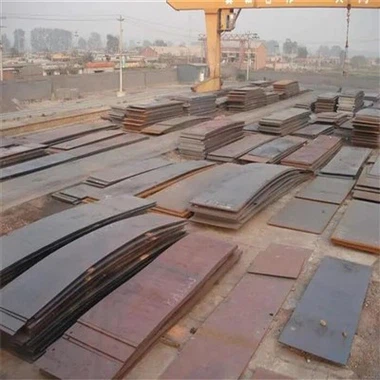
1030 Carbon Steel
Jan 18, 2023
Products Description
1030 Carbon Steel
1030 carbon steel is a widely employed and highly regarded material within the industrial sphere, known for its distinct characteristics and properties that render it suitable for a diverse range of applications.
In terms of composition, it adheres to specific standards. It is a medium-carbon steel with a carbon content that typically falls within a particular range (which can be precisely defined according to industry norms). This carbon content is a key determinant in conferring its mechanical properties, as it imparts both strength and hardness to the steel. Alongside carbon, it contains other alloying elements in appropriate quantities. For instance, manganese may be present, which plays a significant role in enhancing the steel's toughness and hardenability. The precise combination of these elements results in a material that exhibits a well-balanced set of qualities.
This steel displays excellent mechanical properties. It possesses a moderate level of strength, enabling it to withstand a considerable amount of load and resist deformation to a good extent. Its hardness provides a certain degree of durability and resistance to wear, making it suitable for applications where the material may experience some abrasive or mechanical stresses. At the same time, it retains a reasonable degree of ductility. This ductility is crucial during manufacturing processes as it allows the steel to be shaped and formed through operations such as forging, bending, and machining without the risk of easy cracking or breaking. It can be relatively easily processed into various shapes and sizes to meet the specific requirements of different industrial applications.
1030 carbon steel is also notable for its heat treatability. It can be subjected to heat treatment processes like annealing, quenching, and tempering. Annealing can help in softening the steel, improving its machinability, and relieving internal stresses. Quenching can increase its hardness and strength, while tempering then follows to relieve the stresses introduced by quenching and enhance the toughness and ductility of the material. This ability to be heat-treated allows manufacturers to fine-tune the properties of the steel to precisely meet the specific demands of various applications, whether in the fields of machinery manufacturing, automotive, or other industries.
Furthermore, its manufacturing process demands precision and control. From the initial melting and casting stages to the subsequent rolling and finishing operations, strict quality control measures are essential to ensure consistent properties throughout the material. This helps to eliminate any potential defects or inconsistencies and guarantees that the final product meets the high standards required for reliable performance in a wide range of industrial settings.
Overall, 1030 carbon steel is a reliable and versatile material that combines strength, hardness, ductility, and heat treatability. Its unique set of properties makes it an ideal choice for numerous applications, contributing to the production of high-quality and durable products across various industrial sectors. However, proper handling, processing, and quality assurance are crucial to fully exploit its potential and ensure its optimal performance in the end-use applications.