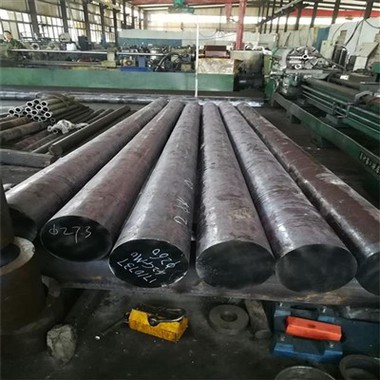
Structural Steel Alloy
Products Description Structural steel alloys play a crucial role in modern construction and engineering, offering enhanced properties and performance compared to conventional steels. This article aims to provide a detailed exploration of structural steel alloys, covering their composition,...
Description
Products Description
Structural steel alloys play a crucial role in modern construction and engineering, offering enhanced properties and performance compared to conventional steels. This article aims to provide a detailed exploration of structural steel alloys, covering their composition, manufacturing processes, mechanical properties, applications, and the latest developments in this field.
Composition of Structural Steel Alloys
Structural steel alloys are composed of a base of iron along with carefully selected alloying elements. Common alloying elements include chromium, nickel, molybdenum, vanadium, manganese, and silicon. The specific combination and proportion of these elements determine the unique properties of the alloy.
Chromium, for instance, enhances the corrosion resistance of the steel, making it suitable for applications in harsh environments. Nickel improves toughness and ductility, while molybdenum contributes to increased strength and hardenability. Vanadium helps refine the microstructure, resulting in improved strength and fatigue resistance. Manganese is often added to increase hardness and strength, and silicon improves the steel's electrical conductivity and heat resistance.
Manufacturing Processes




The manufacturing of structural steel alloys involves several complex steps. The initial stage involves the selection and preparation of raw materials, including iron ore, coke, and the various alloying elements. These are then melted in a furnace at extremely high temperatures to form a molten steel bath.
Subsequent processes such as ladle refining, vacuum degassing, and continuous casting are employed to further purify the steel and control its composition and microstructure. The cast ingots or billets are then subjected to hot and cold working operations like rolling, forging, and extrusion to shape the steel into the desired forms, such as beams, columns, plates, and tubes.
Mechanical Properties
One of the key attractions of structural steel alloys is their superior mechanical properties. These alloys typically exhibit higher tensile strength, yield strength, and hardness compared to plain carbon steels. The enhanced strength allows for the design of lighter and more efficient structures without compromising on load-bearing capacity.
The ductility of structural steel alloys is also important, as it enables the material to deform under stress without fracturing. Toughness is another critical property, especially in applications where the steel may be subjected to impact or sudden loading. Fatigue resistance is crucial for components that experience cyclic loading, ensuring long-term reliability and durability.
Applications
Structural steel alloys find extensive use in a wide range of industries and applications. In the construction sector, they are employed in the fabrication of high-rise buildings, bridges, stadiums, and industrial facilities. The superior strength and durability of these alloys make them ideal for withstanding the heavy loads and demanding conditions associated with large-scale structures.
The automotive and aerospace industries also rely on structural steel alloys for critical components. In automobiles, they are used in chassis, suspension systems, and engine parts, where high strength and lightweight properties are essential. In aerospace, they are found in aircraft frames, landing gears, and engine components, where the combination of strength, toughness, and fatigue resistance is paramount.
The energy sector utilizes structural steel alloys in the construction of oil and gas platforms, wind turbine towers, and power plants. Their resistance to corrosion and high-temperature environments makes them suitable for these challenging applications.
Latest Developments
The field of structural steel alloys is constantly evolving, with ongoing research and development efforts aimed at improving their properties and performance. Advances in materials science and manufacturing technologies are enabling the development of new alloys with even better mechanical properties, improved corrosion resistance, and enhanced weldability.
Nanotechnology is also being explored to manipulate the microstructure of steel alloys at the nanoscale, potentially leading to significant improvements in strength and other properties. Additionally, the focus on sustainability is driving the development of alloys with lower environmental footprints and higher recyclability.
In conclusion, structural steel alloys represent a significant advancement in the field of materials engineering. Their unique composition, manufacturing processes, and outstanding mechanical properties make them indispensable in numerous industries. As technology continues to progress, we can expect further innovations and improvements in structural steel alloys, opening up new possibilities for more efficient, sustainable, and resilient structures and components.
It is important to note that the selection and application of structural steel alloys should be based on a comprehensive understanding of the specific requirements of each project, as well as the available manufacturing and processing capabilities. Close collaboration between engineers, materials scientists, and manufacturers is essential to ensure the successful utilization of these advanced materials.
Hot Tags: structural steel alloy, China structural steel alloy suppliers, factory, Inconel625, 3005aluminum, 309S, CuZn28Sn1, N06455, C5441