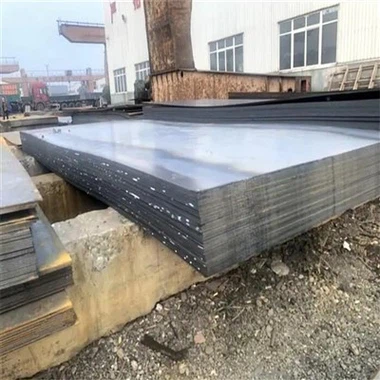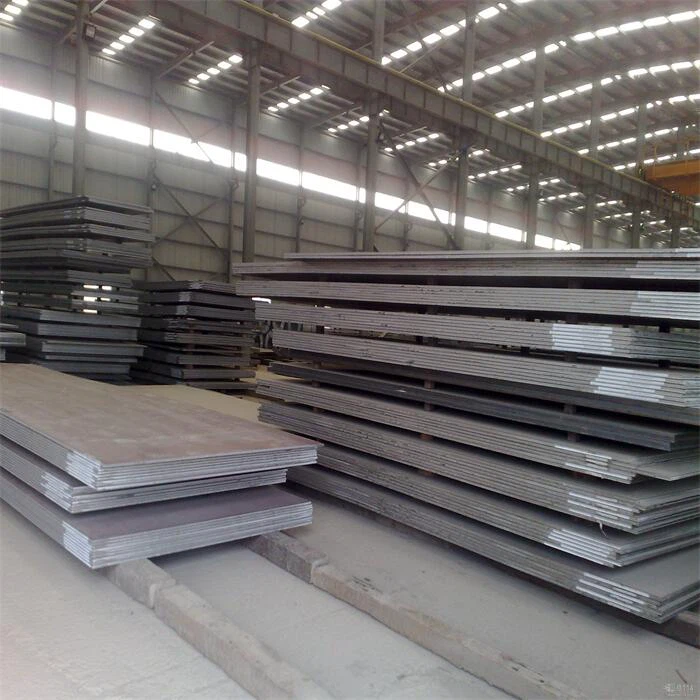
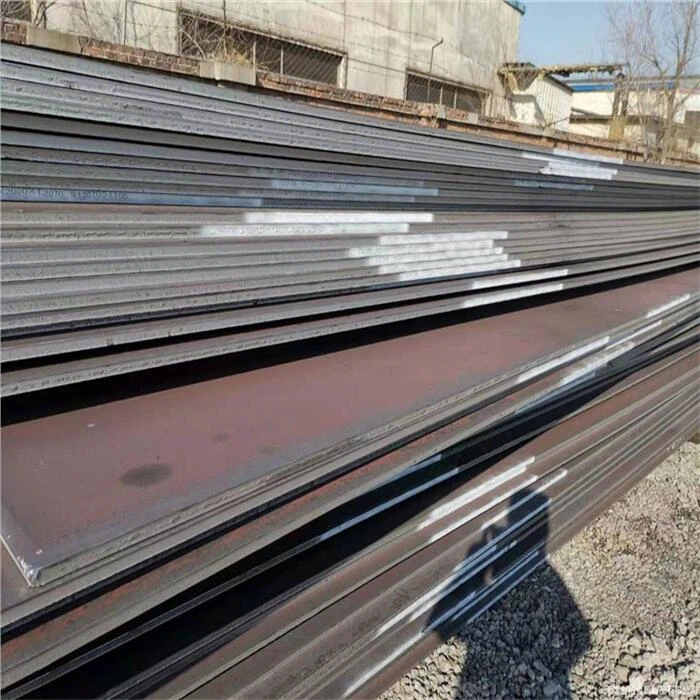
16MnDR, 16MnR, 16Mng Boiler And Pressure Vessel Steel Plate
Products Description 16MnDR, 16MnR, and 16Mng are types of boiler and pressure vessel steel plates that possess distinct chemical compositions and mechanical properties, which render them suitable for various applications within the field of pressure containment and heat transfer. The chemical...
Description
Products Description
16MnDR, 16MnR, and 16Mng are types of boiler and pressure vessel steel plates that possess distinct chemical compositions and mechanical properties, which render them suitable for various applications within the field of pressure containment and heat transfer.
The chemical composition of 16MnDR steel plate typically includes a carbon content ranging from approximately 0.12% to 0.20%. Manganese (Mn) is present in a proportion of 1.20% to 1.60%, which significantly contributes to the steel's strength and hardenability. Silicon (Si) is usually within 0.20% to 0.55%, aiding in the deoxidization process and enhancing the overall mechanical properties.
For 16MnR steel plate, the carbon content is similar to that of 16MnDR. The manganese content remains in the 1.20% to 1.60% range. Additionally, it may contain small amounts of chromium (Cr), nickel (Ni), and copper (Cu) to further improve certain properties depending on specific requirements.
16Mng steel plate has a comparable chemical composition, but with slight variations in the alloying element concentrations. The controlled presence of these elements in specific proportions imparts unique characteristics to each of these steel plates.
In terms of mechanical properties, 16MnDR exhibits high tensile strength, often ranging from [X] MPa to [X] MPa. The yield strength is typically within [X] MPa to [X] MPa, indicating its ability to withstand loads without undergoing significant plastic deformation. The elongation percentage, a measure of ductility, is approximately [X]%, signifying its capacity to deform without fracture.
16MnR also demonstrates excellent mechanical performance. Its tensile strength is comparable to 16MnDR, while the yield strength may vary slightly depending on the manufacturing process and heat treatment. The ductility is within a similar range, ensuring its suitability for applications where flexibility and toughness are crucial.


16Mng steel plate offers mechanical properties that make it suitable for specific pressure vessel and boiler applications. The tensile strength, yield strength, and elongation values are finely tuned to meet the demanding requirements of the industry.
The hardness of these steel plates can be adjusted through heat treatment processes to achieve the desired levels for different operational conditions. Fatigue resistance is another important property, as these plates are often subjected to cyclic loading in service.
When it comes to impact toughness, 16MnDR, 16MnR, and 16Mng steel plates are designed to withstand sudden impact loads, ensuring the integrity and safety of the pressure vessels and boilers in which they are employed.
In conclusion, the chemical compositions and mechanical properties of 16MnDR, 16MnR, and 16Mng boiler and pressure vessel steel plates are carefully engineered to provide reliable performance in high-pressure and high-temperature environments. The precise control of alloying elements and the optimization of mechanical characteristics enable these steel plates to meet the strict standards and safety requirements of the boiler and pressure vessel industry. Ongoing research and technological advancements continue to enhance and refine these properties to meet the evolving needs of modern engineering applications.
Hot Tags: 16mndr, 16mnr, 16mng boiler and pressure vessel steel plate, China 16mndr, 16mnr, 16mng boiler and pressure vessel steel plate suppliers, factory, 1 4113, N06455, S960Q, CR210IF, S44004, 904L