


Abs Steel Plate Shipbuilding
Products Description Mechanical Properties Strength : They have specific yield and tensile strength requirements. For example, common grades like ABS A, B, D, and E have defined strength values that ensure the ship's structure can withstand the static and dynamic loads during normal...
Description
Products Description
Mechanical Properties
Strength: They have specific yield and tensile strength requirements. For example, common grades like ABS A, B, D, and E have defined strength values that ensure the ship's structure can withstand the static and dynamic loads during normal operation, heavy seas, and potential impacts.
Ductility: Adequate ductility allows the steel to deform without brittle fracture. This is crucial for absorbing energy during impacts or when the ship undergoes structural stresses.
Impact Resistance: The steel is tested for impact toughness at specific temperatures. This ensures that the material can withstand sudden shocks, such as those from waves or collisions, without cracking or failing catastrophically.
Specification we supply:
|
Thickness |
3-200mm |
|
Width |
1500-4000mm |
|
Length |
5000-15000mm |
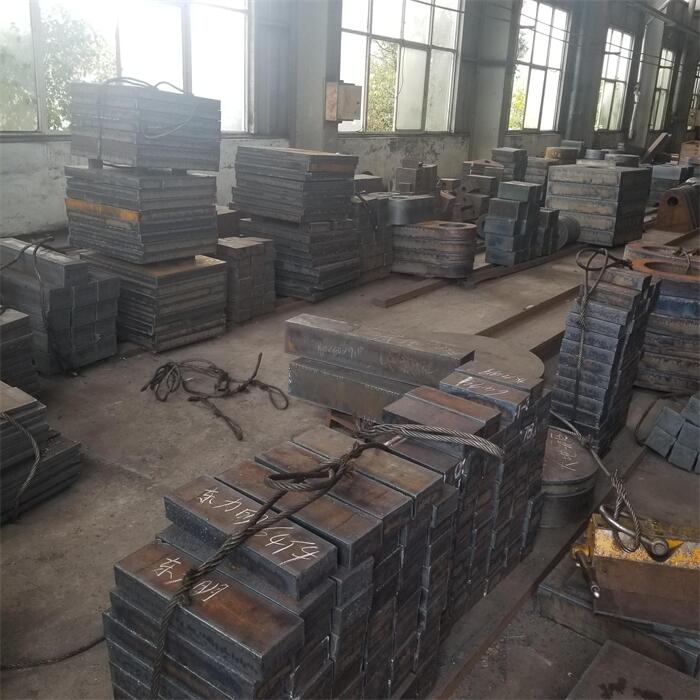
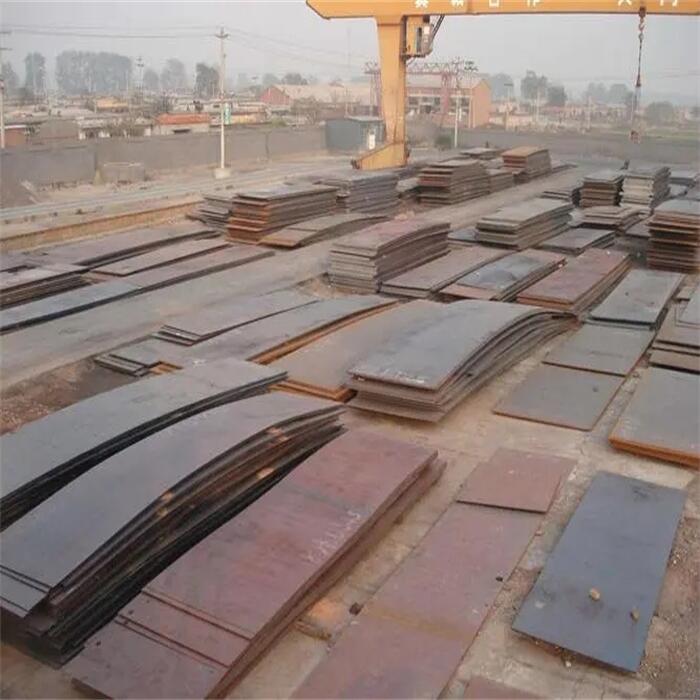
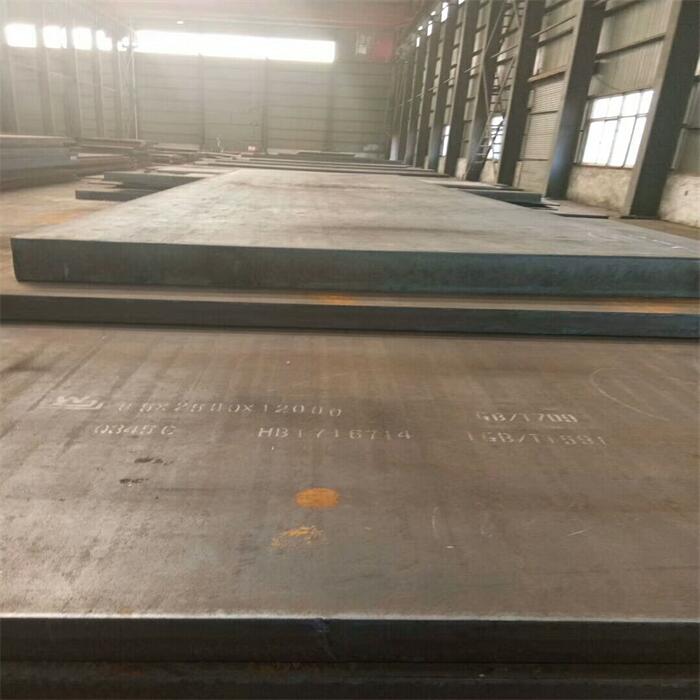
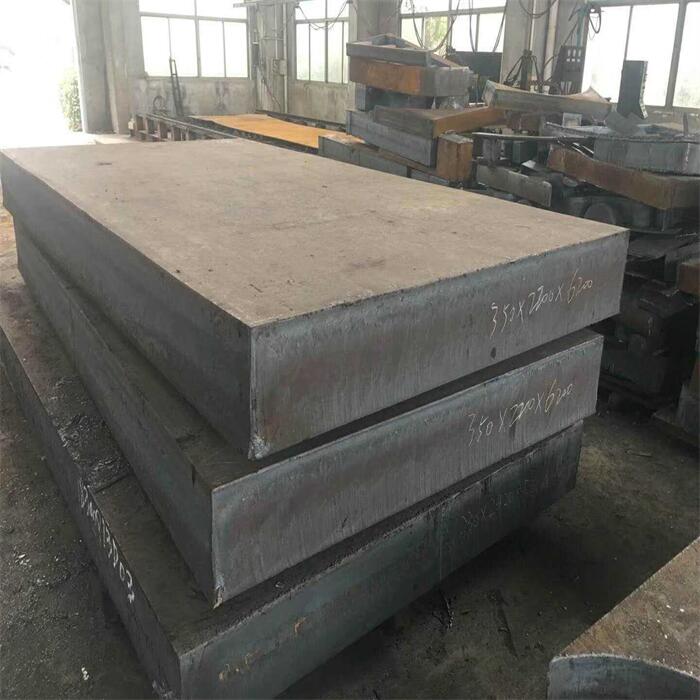
Applications in Shipbuilding
Hull Construction: The hull is the main body of the ship and is subjected to the highest stresses. ABS steel plates are used to fabricate the hull plates, ensuring the integrity and watertightness of the ship's structure.
Deck and Bulkhead: Decks support the weight of the cargo, crew, and equipment on the ship. Bulkheads divide the interior of the ship into compartments for safety and functionality. ABS steel plates provide the necessary strength and durability for these components.
The impact of heat treatment on the mechanical properties of ABS (American Bureau of Shipping) steel plates is as follows:
Annealing
Strength: Annealing involves heating the steel plate to a specific temperature and then slowly cooling it. This process reduces the strength (both yield and tensile strength) of the ABS steel plate. The internal stresses within the steel are relieved, resulting in a softer material.
Ductility: On the positive side, annealing significantly increases the ductility of the steel. This makes the material more malleable and easier to form or shape without the risk of cracking.
Hardness: The hardness of the ABS steel plate decreases after annealing, which can be beneficial when machining or working on the material to achieve a desired surface finish.
Normalizing
Strength and Hardness: Normalizing is carried out by heating the steel above its critical temperature and then cooling it in air. This process refines the grain structure of the ABS steel plate. As a result, the strength and hardness are increased compared to the as - rolled or annealed condition. The improved grain structure provides better resistance to deformation.
Ductility: Although the strength and hardness increase, normalizing still maintains a reasonable level of ductility in the steel. This allows for some deformation without brittle failure.
Quenching and Tempering
Strength and Hardness: Quenching involves rapidly cooling the steel from a high temperature, usually by immersion in a quenching medium such as water or oil. This results in the formation of a hard martensitic structure, significantly increasing the strength and hardness of the ABS steel plate. However, the quenched steel is very brittle. Tempering is then carried out by reheating the quenched steel to a lower temperature. This reduces the brittleness while still maintaining a high level of strength and hardness.
Ductility and Toughness: Tempering after quenching improves the ductility and toughness of the ABS steel plate. This combination of properties makes the steel suitable for applications where high strength and resistance to impact are required.
Why Choose Us?
We take pride in our ability to provide custom solutions for our customers' unique needs.
We analyze and compare the previous products and the current technical situation of our Abs Steel Plate Shipbuilding, and develop new technical specifications and processes.
Our customers trust us to deliver high-quality Cold-rolled Steel products on time and on budget.
We strictly implement the warm and thoughtful after-sales service, adhere to the development of good professional ethics.
We offer a wide range of Cold-rolled Steel products to meet diverse customer needs.
We adhere to the customer-centric and brand-oriented business philosophy, and continue to provide customers with reliable and excellent products and services.
Our factory is committed to upholding the highest standards of safety and quality.
All staff of our company and all departments work together to combine business management, professional technology, quantitative statistical methods and ideological education.
Our Cold-rolled Steel products are known for their durability and reliability.
Relying on the superior conditions and strong advantages of mass production, we are able to meet the different needs of our customers.
Hot Tags: abs steel plate shipbuilding, China abs steel plate shipbuilding suppliers, factory, Aluminum Bar, Martensitic Stainless Steel, 2 4617, Low carbon High strength, Aluminum Tube, 303 Stainless Steel


