

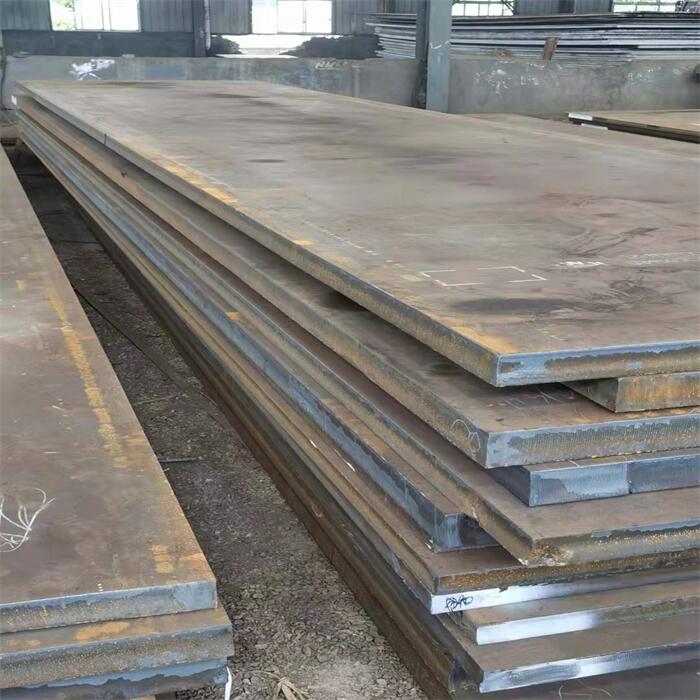


EH 36 Shipbuilding And Offshore Structural Steel Plate
Products Description EH 36 Shipbuilding and Offshore Structural Steel Plate: Ensuring Conformity of Chemical Composition in Quality Inspection In the domain of shipbuilding and offshore construction, the quality and reliability of materials are of paramount importance. One crucial aspect of this...
Description
Products Description
EH 36 Shipbuilding and Offshore Structural Steel Plate: Ensuring Conformity of Chemical Composition in Quality Inspection
In the domain of shipbuilding and offshore construction, the quality and reliability of materials are of paramount importance. One crucial aspect of this is ensuring that the chemical composition of EH 36 Shipbuilding and Offshore Structural Steel Plate adheres precisely to the established standards. This is not merely a technical requirement but a matter of ensuring the safety and longevity of the structures fabricated from this steel.
The first step in ensuring the conformity of the chemical composition is a meticulous selection of raw materials. The source of iron ore, scrap metal, and other alloying elements used in the steel-making process must be carefully evaluated. Only materials with known and consistent quality should be chosen to minimize the potential for variations in the final composition.
Once the raw materials are selected, the steel-making process itself requires precise control. This involves accurately measuring and adding the various elements such as carbon, manganese, silicon, phosphorus, sulfur, nickel, chromium, and molybdenum in the prescribed proportions. Advanced computerized systems and automated control mechanisms are often employed to monitor and adjust the addition of these elements in real-time.
During the manufacturing process, frequent sampling and analysis are carried out. These samples are subjected to sophisticated analytical techniques in well-equipped laboratories. Spectroscopy, for instance, is commonly used to determine the exact concentrations of different elements. This allows for immediate detection of any deviations from the standard composition and enables corrective actions to be taken promptly.
The analysis of carbon content is of particular significance. Carbon plays a vital role in determining the hardness and strength of the steel. An excess or deficiency of carbon can lead to suboptimal mechanical properties. Similarly, the levels of manganese contribute to the toughness and ductility of the steel, and precise control is necessary to achieve the desired characteristics.


Phosphorus and sulfur are considered impurities and need to be strictly limited. Even small amounts of these elements can have a detrimental effect on the weldability and ductility of the steel. Special attention is given to minimizing their presence through efficient refining processes.
Alloying elements such as nickel, chromium, and molybdenum are added to impart specific properties such as improved corrosion resistance and enhanced strength at elevated temperatures. The accurate measurement and addition of these elements are crucial to achieving the performance requirements for shipbuilding and offshore applications.
Furthermore, quality control personnel must be highly trained and experienced in interpreting the analytical results. They need to have a deep understanding of the relationship between chemical composition and the final properties of the steel. This enables them to make informed decisions and take appropriate measures to rectify any deviations.
Documentation and record-keeping are also integral parts of the process. Every batch of steel produced should have a detailed record of the raw materials used, the processing parameters, and the results of the chemical analyses. This not only ensures traceability but also provides valuable data for future reference and quality improvement efforts.
In addition to in-house quality control measures, independent third-party testing and certification can provide an additional layer of confidence. These external agencies often have more extensive testing capabilities and impartiality, ensuring that the steel conforms to the strictest industry standards.
In conclusion, ensuring that the chemical composition of EH 36 Shipbuilding and Offshore Structural Steel Plate meets the standards is a complex and multi-faceted process that requires a combination of careful raw material selection, precise manufacturing control, advanced analytical techniques, expert interpretation, and comprehensive documentation. Only through such meticulous efforts can the quality and reliability of the steel be guaranteed, enabling the construction of safe and durable shipbuilding and offshore structures.
Hot Tags: eh 36 shipbuilding and offshore structural steel plate, China eh 36 shipbuilding and offshore structural steel plate suppliers, factory, HARDOX450, C10100, 316L, N08825, 1185aluminum, C51000


