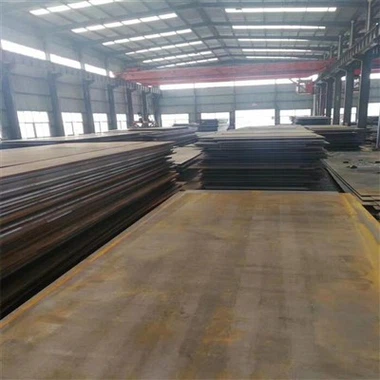
Lr Shipbuilding Steel Plate Grade Ah32 Dh32 Ah36 Eh36 Ah40
Products Description How to Detect the Corrosion of Lr Shipbuilding Steel Plate Grade Ah32, Dh32, Ah36, Eh36, and Ah40 Used in Ships In the realm of shipbuilding, the integrity and durability of Lr Shipbuilding Steel Plate Grade Ah32, Dh32, Ah36, Eh36, and Ah40 are of paramount importance....
Description
Products Description
How to Detect the Corrosion of Lr Shipbuilding Steel Plate Grade Ah32, Dh32, Ah36, Eh36, and Ah40 Used in Ships
In the realm of shipbuilding, the integrity and durability of Lr Shipbuilding Steel Plate Grade Ah32, Dh32, Ah36, Eh36, and Ah40 are of paramount importance. Corrosion, being a common and insidious problem, can compromise the structural stability and safety of ships. Therefore, effective methods for detecting corrosion in these steel plates are essential.
Visual inspection remains one of the primary and straightforward approaches. Trained inspectors closely examine the surface of the steel plates for visible signs of corrosion such as rust, pitting, scaling, or discoloration. This method is useful for identifying obvious and localized corrosion areas but may miss subtler or internal corrosion.
Electrochemical techniques offer a more quantitative and sensitive means of assessment. The potentiodynamic polarization test measures the electrochemical behavior of the steel in a corrosive environment. By applying a potential range and monitoring the resulting current, information about the corrosion rate and resistance of the steel can be obtained. Electrochemical impedance spectroscopy (EIS) is another powerful tool. It provides insights into the protective properties of surface coatings and the condition of the underlying steel by analyzing the impedance response at different frequencies.
Ultrasonic testing is valuable for detecting internal corrosion and defects. High-frequency sound waves are transmitted through the steel plates, and any changes in the wave propagation, such as echoes or attenuation, can indicate the presence of corrosion or material degradation. This method is non-destructive and can provide information on the depth and extent of internal corrosion.
|
Steel Grade |
C |
Si |
Mn |
P |
S |
Als |
|
A |
≤0.21 |
≤0.50 |
≥2.5c |
≤0.035 |
≤0.035 |
|
|
B |
≤0.21 |
≤0.35 |
0.8~1.2 |
≤0.035 |
≤0.035 |
|
|
D |
≤0.21 |
≤0.35 |
0.6~1.2 |
≤0.035 |
≤0.035 |
≥0.015 |
|
E |
≤0.18 |
≤0.35 |
0.7~1.2 |
≤0.035 |
≤0.035 |
≥0.015 |
|
AH32 |
≤0.18 |
≤0.50 |
0.9~1.6 |
≤0.035 |
≤0.035 |
≥0.015 |
|
DH32 |
≤0.18 |
≤0.50 |
0.9~1.6 |
≤0.035 |
≤0.035 |
≥0.015 |
|
EH32 |
≤0.18 |
≤0.50 |
0.9~1.6 |
≤0.035 |
≤0.035 |
≥0.015 |
|
FH32 |
≤0.18 |
≤0.50 |
0.9~1.6 |
≤0.035 |
≤0.035 |
≥0.015 |
|
AH36 |
≤0.18 |
≤0.50 |
0.9~1.6 |
≤0.035 |
≤0.035 |
≥0.015 |
|
DH36 |
≤0.18 |
≤0.50 |
0.9~1.6 |
≤0.035 |
≤0.035 |
≥0.015 |
|
EH36 |
≤0.18 |
≤0.50 |
0.9~1.6 |
≤0.035 |
≤0.035 |
≥0.015 |
|
FH36 |
≤0.18 |
≤0.50 |
0.9~1.6 |
≤0.035 |
≤0.035 |
≥0.015 |
|
AH40 |
≤0.18 |
≤0.50 |
0.9~1.6 |
≤0.035 |
≤0.035 |
≥0.015 |
|
DH40 |
≤0.18 |
≤0.50 |
0.9~1.6 |
≤0.035 |
≤0.035 |
≥0.015 |


Another technique is the use of electrochemical noise (EN) monitoring. This measures the random fluctuations in potential and current between electrodes on the steel surface, which can indicate the onset and progression of corrosion. It is a passive and continuous monitoring method that can provide early warnings of corrosion activity.
Furthermore, in-service monitoring systems can be installed on ships to continuously monitor the corrosion status of the steel plates. These systems may incorporate a combination of the above techniques along with sensors for parameters such as pH, temperature, and dissolved oxygen in the surrounding environment, which can influence the corrosion process.
It is important to note that often a combination of these detection methods is utilized to obtain a more accurate and comprehensive understanding of the corrosion situation of Lr Shipbuilding Steel Plate Grade Ah32, Dh32, Ah36, Eh36, and Ah40. Regular and systematic inspections, along with appropriate preventive measures and maintenance based on the detected corrosion levels, are crucial for ensuring the longevity and safety of ships constructed using these steel grades.
Why Choose Us?
We take pride in our ability to provide custom solutions for our customers' unique needs.
We analyze and compare the previous products and the current technical situation of our Lr Shipbuilding Steel Plate Grade Ah32 Dh32 Ah36 Eh36 Ah40, and develop new technical specifications and processes.
Our customers trust us to deliver high-quality Cold-rolled Steel products on time and on budget.
We strictly implement the warm and thoughtful after-sales service, adhere to the development of good professional ethics.
We offer a wide range of Cold-rolled Steel products to meet diverse customer needs.
We adhere to the customer-centric and brand-oriented business philosophy, and continue to provide customers with reliable and excellent products and services.
Our factory is committed to upholding the highest standards of safety and quality.
All staff of our company and all departments work together to combine business management, professional technology, quantitative statistical methods and ideological education.
Our Cold-rolled Steel products are known for their durability and reliability.
Relying on the superior conditions and strong advantages of mass production, we are able to meet the different needs of our customers.
Hot Tags: lr shipbuilding steel plate grade ah32 dh32 ah36 eh36 ah40, China lr shipbuilding steel plate grade ah32 dh32 ah36 eh36 ah40 suppliers, factory, C3601, Inconel690, CuAl10Fe3, SUS316Ti, N08904, S420NL