


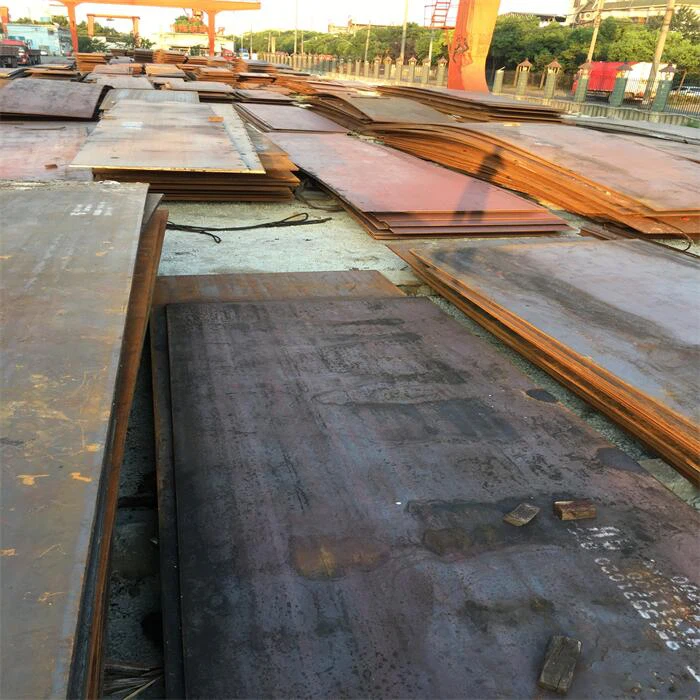
1.5223 Steel
Products Description 1.5223 steel, also referred to as 30MnB5 steel, is an alloy steel type with specific chemical compositions that endow it with unique properties and render it suitable for a diverse range of applications. The main chemical elements present in 1.5223 steel consist of carbon...
Description
Products Description
1.5223 steel, also referred to as 30MnB5 steel, is an alloy steel type with specific chemical compositions that endow it with unique properties and render it suitable for a diverse range of applications.
The main chemical elements present in 1.5223 steel consist of carbon (C), manganese (Mn), boron (B), silicon (Si), sulfur (S), and phosphorus (P). Here is a detailed examination of these elements and their respective roles:
Carbon (C): Supplies strength and hardness to the steel. A proper carbon content is essential for attaining the desired mechanical properties. In 1.5223 steel, the carbon content is typically within a specific range to ensure a balance between strength and ductility.
Manganese (Mn): Augments hardenability and toughness. Manganese assists in hardening the steel more effectively during heat treatment and also enhances its resistance to cracking and deformation. It plays a significant role in determining the overall mechanical performance of the steel.
Boron (B): A crucial element that has a substantial impact on hardenability. Even in small quantities, boron can significantly increase the hardenability of the steel, enabling deeper hardening and superior mechanical properties. Boron also aids in refining the grain structure, further enhancing the strength and toughness of the steel.


Silicon (Si): Improves strength and oxidation resistance. Silicon can contribute to the overall strength of the steel and also helps in preventing oxidation at elevated temperatures. However, an excessive silicon content can have a negative influence on weldability.
Sulfur (S) and Phosphorus (P): Generally regarded as impurities. These elements are maintained at low levels as they can adversely affect the mechanical properties and weldability of the steel. Sulfur can cause hot shortness, while phosphorus can reduce ductility.
Now, let's take a look at a comparison of the chemical compositions of 1.5223 steel with other common steels in a table:
| Steel Type | C (%) | Mn (%) | B (%) | Si (%) | S (%) | P (%) |
|---|---|---|---|---|---|---|
| 1.5223 Steel | [Specific range] | [Specific range] | [Specific range] | [Specific range] | Low | Low |
| Plain Carbon Steel | Varies | Varies | None | Varies | Varies | Varies |
| Stainless Steel | Low to moderate | Varies | None | Varies | Low | Low |
In conclusion, the chemical compositions of 1.5223 steel play a crucial role in determining its mechanical properties, heat treatment behavior, and suitability for various applications. By understanding and controlling these compositions, manufacturers can produce high-quality steel with the desired characteristics for different industries.
Hot Tags: 1.5223 steel, China 1.5223 steel suppliers, factory, S185, 254SMo, 310 Stainless Steel, 1 4319, 309 Stainless Steel, Galvanized Low alloy Steel


