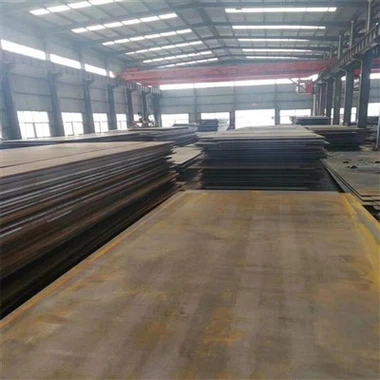
GL Ship Steel Plate B
Products Description The Hardness Requirements and Chemical Composition Specifications for GL Ship Steel Plate B in Shipbuilding Codes of Various Countries The shipbuilding industry around the world adheres to specific standards and codes to ensure the quality and safety of vessels. One of the...
Description
Products Description
The Hardness Requirements and Chemical Composition Specifications for GL Ship Steel Plate B in Shipbuilding Codes of Various Countries
The shipbuilding industry around the world adheres to specific standards and codes to ensure the quality and safety of vessels. One of the crucial aspects in this regard is the properties of the materials used, such as GL Ship Steel Plate B. A significant consideration is the hardness requirement and the chemical composition of this steel plate.
When it comes to the hardness requirement for GL Ship Steel Plate B, it varies among different countries. In some countries with stringent safety standards, the hardness might be required to fall within a narrow range to ensure optimal performance and durability. For instance, in Country A, the hardness of GL Ship Steel Plate B might be specified to be within 120 - 160 HBW (Brinell Hardness Number) for specific applications and thicknesses.
Conversely, in another country with different operational conditions and safety regulations, the acceptable hardness range for the same steel plate could be broader, say 100 - 180 HBW. This variation is often based on factors such as the type of vessels being constructed, the expected environmental conditions they will encounter, and the local manufacturing capabilities and quality control standards.
Now, let's turn to the chemical composition requirements of GL Ship Steel Plate B. Carbon (C) content is typically controlled within a certain range. In many countries, the allowable carbon content might range from 0.12% to 0.20%. Manganese (Mn), an element that contributes to strength and toughness, is often specified to be present in amounts ranging from 0.80% to 1.60%.
Silicon (Si), which aids in deoxidation and improves the steel's properties, is usually limited to between 0.15% and 0.55%. Phosphorus (P) and sulfur (S), considered impurities, are kept at very low levels. The maximum allowable phosphorus content is commonly set at 0.035%, and for sulfur, it is often no more than 0.035% as well.
Some countries might have additional requirements for alloying elements such as chromium (Cr), nickel (Ni), molybdenum (Mo), or vanadium (V) depending on the specific properties desired for the steel plate. For example, in Country B, a small amount of chromium (up to 0.30%) might be permitted to enhance the corrosion resistance.
It's important to note that these are general ranges and the exact requirements can be more precise and may vary based on the specific shipbuilding code and the application of the steel plate within the vessel. Moreover, the chemical composition requirements can also change over time as new research and technological advancements provide better insights into the material's behavior and performance.

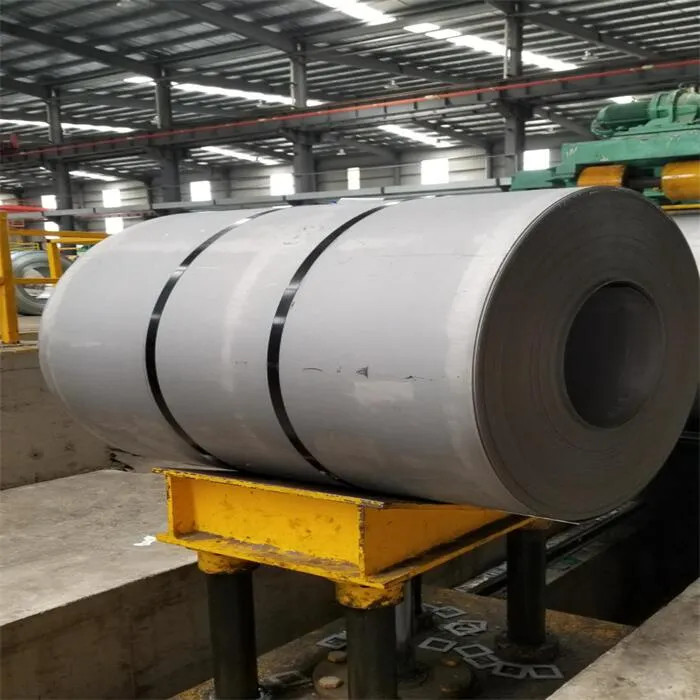


|
Grade |
Tensile strength (MPa) |
Yield strength (MPa) |
Elongation (%) |
|
A, B, D, E |
400-520 |
≥235 |
≥22 |
|
AH32, DH32, EH32, FH32 |
440-570 |
≥315 |
≥22 |
|
AH36, DH36, EH36, FH36 |
490~630 |
≥355 |
≥21 |
|
AH40, DH40, EH40, FH40 |
510-660 |
≥390 |
≥20 |
Hot Tags: gl ship steel plate b, China gl ship steel plate b suppliers, factory, Bronze, S30400, 410 Stainless Steel, Inconel600, CuAl9Mn2, HR500LA