The Density Of Steel Plates
Oct 05, 2023
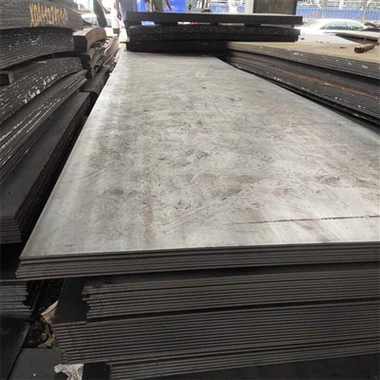
Steel plates are widely used in various industries due to their excellent mechanical properties and durability. One of the important physical properties of steel plates is their density.
The density of steel plates typically ranges from approximately 7750 to 8050 kilograms per cubic meter (kg/m³). However, it's important to note that the density can vary slightly depending on the specific composition and manufacturing process of the steel.
The composition of steel plays a significant role in determining its density. Steel is primarily an alloy composed of iron and carbon, along with small amounts of other elements such as manganese, silicon, phosphorus, and sulfur. The proportion of these elements can affect the density of the resulting steel plate.
For example, higher carbon content in the steel can slightly increase its density. Similarly, the presence of other alloying elements in specific concentrations can also cause minor variations in density.
The manufacturing process of steel plates can also have an impact on density. Processes like hot rolling and cold rolling can introduce changes in the microstructure of the steel, which might affect its density to a certain extent.
It's worth noting that the density of steel plates is a crucial parameter in many engineering and design applications. When calculating the weight of a steel structure or component made from steel plates, the density is a key factor.
To accurately determine the density of a specific steel plate, laboratory measurements can be conducted. These measurements often involve precise weighing of a known volume of the steel plate sample.


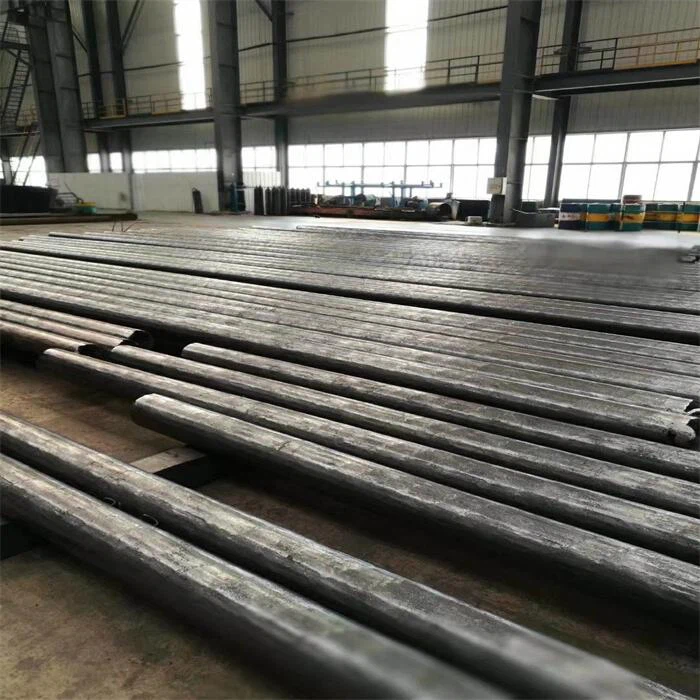

In practical applications, engineers and designers typically rely on the average density values within the typical range mentioned earlier for initial calculations and estimations. However, for critical applications where precise density values are essential, specific testing and analysis of the particular steel grade and manufacturing process are carried out.
The density of steel plates also has implications for their transportation and handling. Knowing the density helps in determining the load-bearing capacity of transportation vehicles and storage facilities.
Furthermore, in industries such as aerospace and automotive, where weight reduction is a crucial factor for improving performance and fuel efficiency, understanding the density of steel plates is essential for material selection and component design.
In conclusion, the density of steel plates is an important property that influences various aspects of their usage, design, and application. While the typical range provides a general guideline, specific circumstances may require more detailed and accurate density measurements to ensure optimal performance and safety in different engineering and industrial contexts.
Hope this detailed explanation provides you with a comprehensive understanding of the density of steel plates.