


Sup10 Steel
Products Description Sup10 Steel: An Overview of Its Hardness Levels Sup10 steel is a type of spring steel known for its excellent mechanical properties and durability. One of the important characteristics of Sup10 steel is its hardness, which can vary depending on several factors. In this...
Description
Products Description
SUP10 Steel Chemical Composition:
Carbon: 0.47~0.55
Silicon: 0.15~0.35
Manganese: 0.65~0.95
Sulfur: ≤0.030
Phosphorus: ≤0.030
Chromium: 0.80~1.10
Nickel: ≤0.35
Copper: ≤0.25
Vanadium: 0.15~0.25
SUP10 Steel Mechanical Properties:
Tensile strength σb (MPa): ≥1274(130)
Yield strength σs (MPa): ≥1127(115)
Elongation δ5 (%): ≥10
Reduction of area ψ (%): ≥40
Hardness: hot rolled, ≤321HB; cold drawn + heat treatment, ≤321HB
Another factor that can influence the hardness of Sup10 steel is cold working. Cold working involves deforming the steel at room temperature, such as by rolling, drawing, or forging. Cold working can increase the hardness of Sup10 steel by introducing dislocations and other defects into its microstructure, which make it more resistant to deformation.
The hardness of Sup10 steel can also be affected by its chemical composition. Sup10 steel typically contains elements such as carbon, manganese, silicon, and chromium. The amount and combination of these elements can influence the hardness of the steel. For example, increasing the carbon content of Sup10 steel can increase its hardness, while adding chromium can improve its corrosion resistance and hardness.

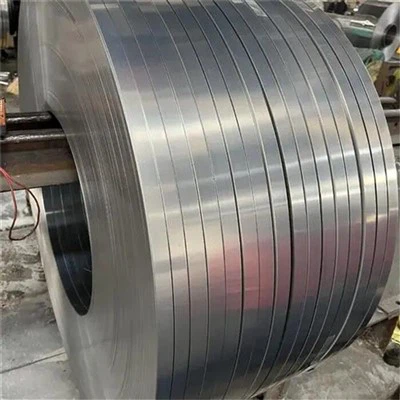
In general, Sup10 steel can have a hardness range of around 20 to 60 HRC (Rockwell hardness C scale). Soft Sup10 steel with a lower hardness is often used for applications where flexibility and ductility are required, such as in springs and wire forms. Harder Sup10 steel with a higher hardness is suitable for applications where wear resistance and strength are essential, such as in gears, shafts, and cutting tools.
It is important to note that the hardness of Sup10 steel can also vary depending on the testing method and conditions. Different hardness testing methods, such as Rockwell, Brinell, and Vickers, may give slightly different hardness values. Additionally, factors such as the size and shape of the sample, the load applied during testing, and the testing environment can also affect the measured hardness.
In conclusion, Sup10 steel can have a wide range of hardness levels depending on factors such as heat treatment, cold working, and chemical composition. Understanding the hardness characteristics of Sup10 steel is crucial for selecting the right material for a specific application. By considering these factors and consulting with material experts, engineers and manufacturers can ensure that they choose the appropriate hardness of Sup10 steel to meet their performance requirements.
Hot Tags: sup10 steel, China sup10 steel suppliers, factory, C5102, QStE690TM, 1 455, C38000, N1 0665, Inconel625


